
7 Modern Rock Patio Ideas for a Fresh Look
We may earn a commission for purchases made using our links. Please see our disclosure to learn more.
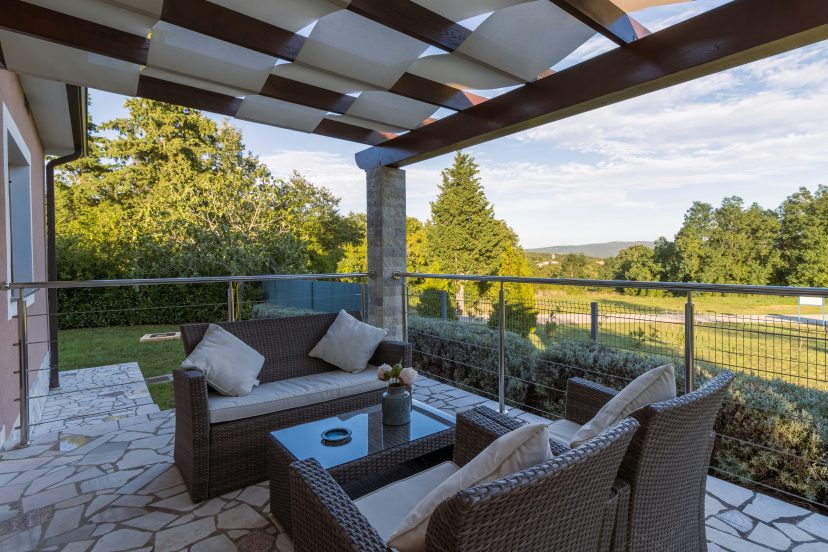
A backyard patio should feel solid, easy to maintain, and built to last. That’s why more homeowners are turning to natural stone and gravel for a fresh outdoor update. These materials improve drainage, reduce upkeep, and instantly add texture to your space while keeping the design flexible. In this guide, you’ll find 7 rock patio ideas to help you create a patio that looks modern and works beautifully year-round.
Why Rock Patios Are a Smart Backyard Upgrade
Rock patios make sense for a lot of reasons. They look modern, they last for years, and they solve common backyard issues.
For starters, rock handles weather well. It won’t rot like wood or crack as easily as poured concrete. Since the surface allows water to pass through, rain soaks into the ground rather than sitting on top. As a result, you get fewer puddles and reduced soil erosion.
Maintenance is simple too. No staining. No sealing. Just occasional raking and topping off gravel when needed.
On top of that, rock works with almost any design style. Whether you prefer clean and modern or warm and rustic, stone textures blend in naturally.
If you want an upgrade that’s practical and stylish, rock is hard to beat.
1. Crushed Granite Minimalist Patio
Crushed granite creates a clean, modern aesthetic. It feels soft underfoot yet compacts tightly enough for furniture placement.
Why It Works
- Sleek and neutral tone
- Excellent drainage
- Budget-friendly
For best results, install landscape fabric underneath to prevent weeds. Then, edge the space with steel or stone borders for definition.
Pair this setup with sleek furniture and soft lighting for a contemporary vibe.
2. Flagstone and River Rock Contrast Design
If you love contrast, combine large flagstones with smooth river rocks between them. The irregular stone shapes feel organic, while the small pebbles add movement.
Design Tip
Use darker river rocks between lighter stones to create subtle definition.
This layout works especially well in backyard entertaining areas where you want visual interest without clutter.
3. Pea Gravel Lounge Patio
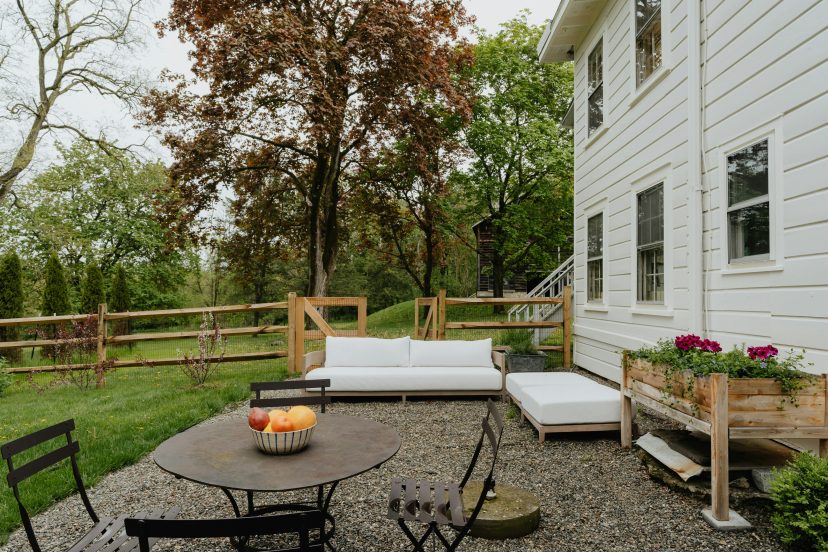
Pea gravel patios feel relaxed and inviting. They’re perfect for seating areas, fire pits, or small backyard retreats.
Because pea gravel shifts slightly, it creates a casual look. However, you can stabilize it with a gravel grid system underneath for better support.
Add outdoor cushions and warm lighting to soften the stone texture. If you’re also exploring interior upgrades, check out these glam living room ideas for inspiration on mixing textures and finishes indoors and out.
Bringing cohesive style from inside to outside always creates a polished look.
4. Modern Rock Patio with Concrete Pavers
This design blends structured concrete slabs with decorative rocks in between. The result? A clean geometric layout with natural texture.
Why Homeowners Love It
- Clear walking paths
- Strong support for furniture
- Modern architectural feel
According to hardscape design reviews published in construction journals, mixing permeable stone with structured pavers improves both functionality and visual balance.
Use black or charcoal stones for a dramatic effect.
5. Rock Patio with Built-In Fire Pit
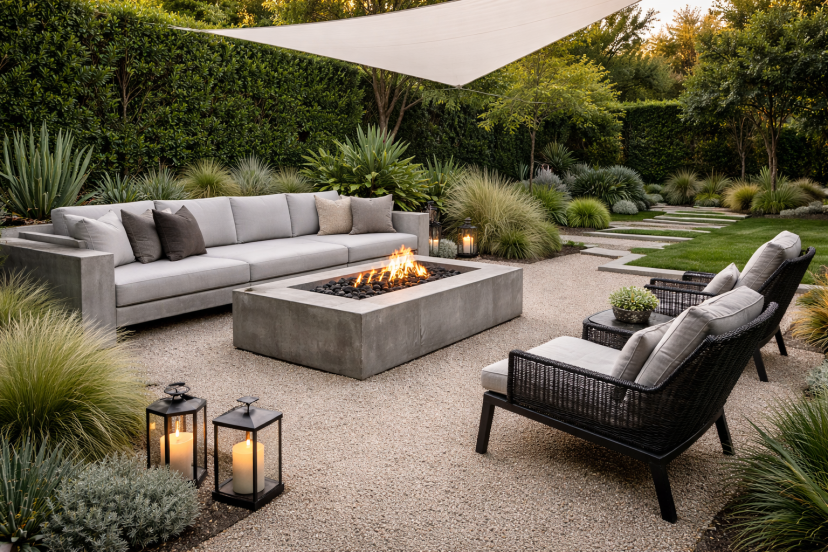
Fire pits instantly turn a rock patio into a gathering space.
Surround a circular fire pit with crushed gravel or decorative stone. Then arrange seating around the perimeter.
The rocks help with heat resistance and reduce fire hazards compared to wood decking.
Safety Note
Always use a fire-rated base material and maintain clearance around the pit.
6. Zen-Inspired Rock Garden Patio
If you prefer calm over bold, create a Zen-style patio using white gravel, large statement stones, and minimal furniture.
Rake patterns into the gravel for a meditative touch. Add bamboo or ornamental grasses around the edges.
This design feels peaceful and intentional. It also requires very little maintenance once installed.
7. Multi-Level Rock Patio with Retaining Walls
For sloped yards, layered rock patios work beautifully.
Use natural stone retaining walls to create defined levels. Then fill each tier with decorative gravel or crushed stone.
This approach:
- Controls erosion
- Maximizes usable space
- Adds architectural depth
Landscape engineering studies emphasize that properly built retaining structures improve long-term soil stability. So this design is both stylish and practical.
Recommended Products
Here are five highly rated tools and materials that can help bring your rock patio ideas to life:
- Dimex EasyFlex No-Dig Landscape Edging Kit – Keeps gravel contained and creates clean borders.
- Vigoro Heavy-Duty Landscape Fabric – Prevents weeds while allowing water to drain properly.
- Gravel Stabilizer Grid System – Adds stability to pea gravel or crushed stone patios.
- Sunnydaze Outdoor Steel Fire Pit Ring – Ideal for DIY rock patio fire pit setups.
- GIGALUMI Solar Outdoor Pathway Lights – Adds modern lighting without complex wiring.
These products consistently receive strong reviews for durability and ease of installation.
Maintenance Tips for Long-Lasting Results
Fortunately, rock patios require less upkeep than wood or concrete.
However, you should:
- Rake gravel every few weeks
- Remove debris regularly
- Top off gravel annually if needed
- Inspect edging to keep stones contained
Because rocks shift naturally over time, small adjustments keep the patio looking fresh.
How Rock Patios Handle Rain Better Than Solid Surfaces
Rock patios aren’t just stylish — they work smarter when it comes to water.
A widely cited review on permeable pavement systems found that gravel and stone surfaces allow rainwater to soak into the ground instead of running off like it does on concrete. That means fewer puddles, less surface erosion, and better natural drainage in your yard.
A review published in Sustainability found that porous and permeable pavements significantly reduce runoff by allowing rainwater to soak into the ground. The study also highlighted improved stormwater management performance, noting that layered stone systems can help filter sediments as water moves through them — supporting more natural water absorption.
What does this mean for your backyard?
- Better drainage after heavy rain
- Reduced runoff and erosion
- A more environmentally friendly hardscape option
So when you choose rock for your patio, you’re not just upgrading the look. You’re choosing a surface that’s been shown in research to manage water more effectively than traditional solid slabs.
Environmental Benefits of Rock Patios
One underrated benefit of rock patio ideas is sustainability.
Permeable materials let rainfall move naturally into the soil below, cutting down on surface runoff and helping replenish groundwater supplies. Environmental landscaping research consistently highlights permeable hardscapes as more eco-friendly than fully sealed surfaces.
In addition, rock patios require fewer chemical treatments compared to wooden decks.
So you’re not just upgrading your backyard. Choosing this option is also a more eco-conscious decision for your landscape.
How to Make Your Rock Patio Feel Modern
Rock alone isn’t enough. Styling matters.
Here’s what elevates the look:
- Clean furniture lines
- Neutral color palettes
- Layered outdoor rugs
- Warm lighting
- Simple greenery
Keep décor minimal. Let texture do the work.
Conclusion
A great patio should make your backyard easier to enjoy, not harder to maintain. Stone and gravel offer durability, better drainage, and a clean, modern look with minimal upkeep. With the right layout, these rock patio ideas can turn your yard into a practical, inviting space that lasts for years. Your backyard deserves a fresh look.
FAQs
1. Are rock patios cheaper than concrete?
Yes, in most cases. Gravel and crushed stone typically cost less than poured concrete and require less labor.
2. Do rock patios attract weeds?
They can if installed improperly. Use high-quality landscape fabric to minimize weed growth.
3. Does pea gravel feel comfortable underfoot?
Yes. It feels soft underfoot, although it may shift slightly without a stabilizer grid.
4. How thick should a rock patio base be?
Most projects require 3–6 inches of compacted base material for stability.
5. Do rock patios increase home value?
Well-designed outdoor spaces improve curb appeal and buyer interest, especially in modern landscaping trends.