Biophilic Interior Design Ideas for Everyday Homes
We may earn a commission for purchases made using our links. Please see our disclosure to learn more.
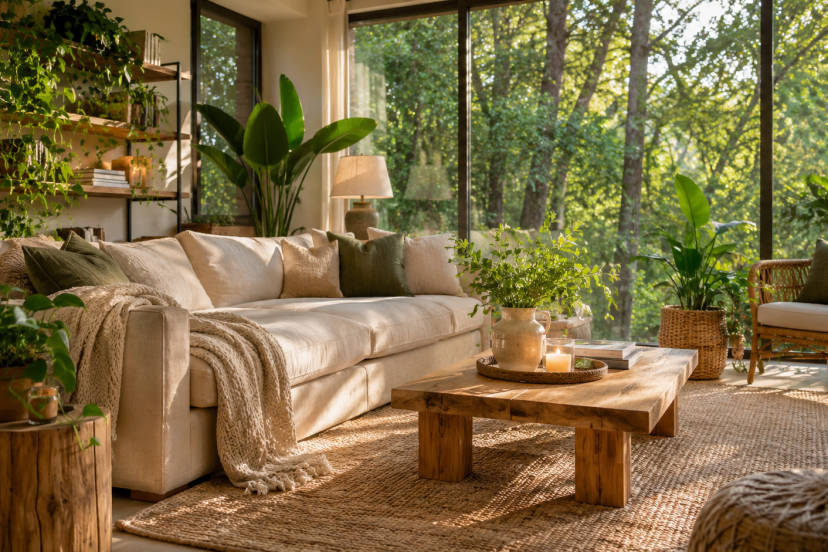
Think about your favorite spot at home. Perhaps it’s a chair beside a sunny window or a quiet corner surrounded by plants and warm wooden furniture. There’s a reason these spaces often feel so comfortable. Biophilic interior design builds on our natural connection with the outdoors, bringing elements such as greenery, sunlight, organic textures, and earthy colors into the home. You don’t need a spacious house or an expensive renovation to make it work. With a few thoughtful changes, you can create a living environment that feels more welcoming, restful, and connected to nature.
What Is Biophilic Interior Design?
Biophilic interior design is a decorating and planning approach that brings people closer to nature through their indoor surroundings. It stems from biophilia, the idea that humans have an innate affinity for the natural world.
There are three main ways to incorporate this concept into your home:
- Direct connection: Houseplants, natural sunlight, fresh air, and water features.
- Indirect connection: Wooden furniture, botanical artwork, natural fabrics, and earthy colors.
- Spatial connection: Open views, sheltered seating areas, and layouts that reflect natural environments.
While aesthetics play a role, biophilic design places equal importance on how you experience a space and interact with it throughout the day.
Benefits of Biophilic Interior Design
A room filled with natural textures and soft daylight often feels different from one dominated by artificial lighting and hard surfaces. Introducing elements of nature can improve the atmosphere of your home in several ways.
Potential benefits include:
- Encourages relaxation and emotional well-being.
- Creates a warmer, more inviting atmosphere.
- Makes better use of available daylight.
- Softens the appearance of modern interiors.
- Strengthens your connection with the outdoors.
- Brings seasonal variety into everyday living spaces.
A 2025 study on nature and well-being suggests that spending time around nature may help ease stress and lift your mood. How much you benefit can depend on your surroundings, personal preferences, and how you connect with nature.
8 Biophilic Interior Design Ideas for Your Home
Bringing nature indoors doesn’t require a complete change in decorating style. Many natural elements work beautifully alongside furniture and accessories you already own.
1. Maximize Natural Light
Before buying anything new, pay attention to how sunlight moves through your home. A living room that feels particularly dark in the afternoon might have a bulky cabinet blocking the window or curtains that prevent enough daylight from entering.
Try these simple adjustments:
- Replace heavy curtains with lightweight sheer panels.
- Position mirrors where they can reflect daylight.
- Move tall furniture away from windows.
- Use lighter wall colors in darker rooms.
- Keep windowsills relatively clear.
If your windows receive intense afternoon sunlight, adjustable blinds can help manage glare and heat without completely sacrificing natural light.
2. Decorate With Indoor Plants
Houseplants bring something that ordinary decorative objects cannot: living greenery that grows and changes over time. Even a single plant beside your sofa can make an otherwise empty corner feel more inviting.
Choose plants that suit your home’s growing conditions:
- Parlor palm: Ideal for spaces with indirect light.
- Spider plant: An attractive choice for hanging planters.
- Cast iron plant: Suitable for rooms with limited natural light.
- Boston fern: Thrives in humid environments with indirect sunlight.
- Calathea: Offers beautifully patterned foliage.
Start with a few plants you can realistically maintain. If you share your home with pets, check whether each variety is safe for them.
3. Incorporate Natural Materials
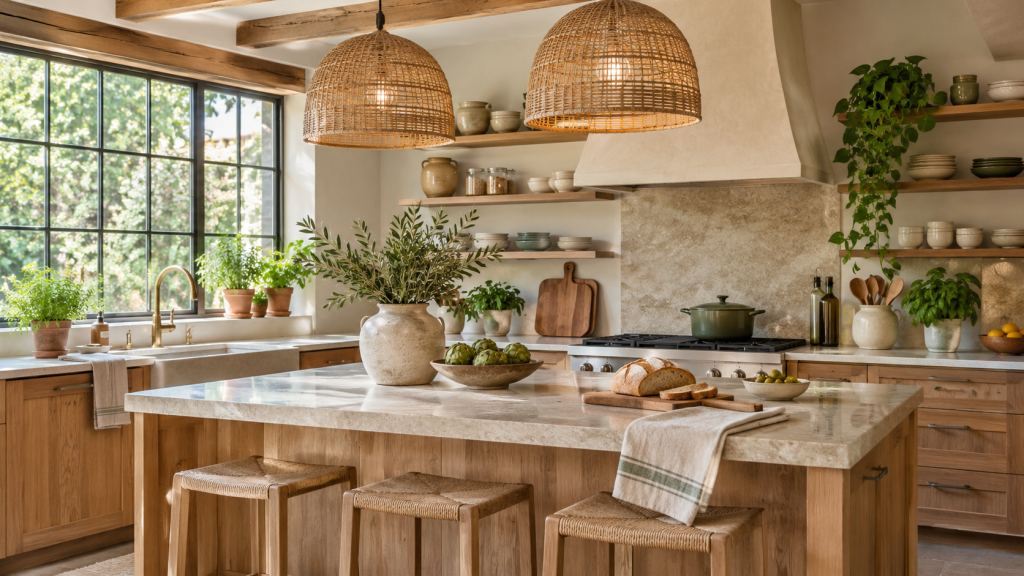
There’s something particularly appealing about the grain of a wooden table or the slightly uneven surface of a handmade ceramic bowl. These imperfections give a room character that uniform, manufactured finishes often lack.
Consider incorporating materials such as:
- Wood and bamboo
- Rattan and wicker
- Jute and sisal
- Cotton and linen
- Natural stone and cork
Think about where each material will be used. A jute rug looks lovely beneath a living room coffee table, but its sensitivity to moisture makes it less practical in a busy bathroom.
4. Choose an Earthy Color Palette
Instead of following decorating trends, take inspiration from landscapes you naturally enjoy. Think of the muted greens of a woodland trail, the sandy shades of a quiet beach, or the warm terracotta tones of a desert landscape.
| Color | Natural Inspiration | Ideal Application |
| Sage green | Leaves and herbs | Bedroom walls |
| Warm beige | Sand and soil | Living room furniture |
| Terracotta | Clay and earth | Decorative accessories |
| Muted blue | Water and sky | Bathroom accents |
| Olive green | Woodland foliage | Cushions and textiles |
| Soft brown | Tree bark | Wooden furniture |
You don’t have to repaint an entire room. Introducing earthy shades through cushions, throws, curtains, or pottery can gradually change its atmosphere.
5. Introduce Organic Shapes and Patterns
Many modern homes feature straight lines, sharp corners, and symmetrical furniture arrangements. Natural shapes offer a pleasant contrast, helping soften spaces that might otherwise feel rigid.
A curved armchair, rounded coffee table, or irregular ceramic vase can make a noticeable difference. Botanical prints, visible wood grain, and fabrics inspired by leaves or flowing water also introduce natural patterns without overwhelming your existing décor.
6. Connect Indoor and Outdoor Spaces
If you’re fortunate enough to have a garden-facing window, arrange your furniture so you can enjoy the view. Even a small balcony filled with potted herbs can become an attractive extension of your living room.
Using similar colors and materials indoors and outdoors helps create a more seamless transition between the two areas.
Your entrance deserves attention, too. Explore these inviting entryway ideas for inspiration on combining greenery, natural textures, and welcoming decorative elements.
7. Engage Different Senses
Picture sitting beside an open window on a pleasant morning, hearing birds outside while a gentle breeze moves through the curtains. That experience illustrates how our surroundings appeal to more than just our sense of sight.
Soft linen cushions, textured wooden surfaces, and the gentle sound of flowing water can introduce different sensory experiences into your home. When outdoor air quality and weather permit, open your windows and enjoy the fresh air.
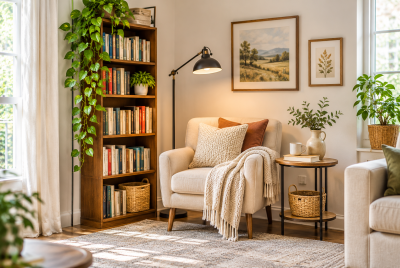
8. Create a Nature-Inspired Relaxation Corner
Every home can benefit from a comfortable spot where you can enjoy a few uninterrupted moments. An overlooked corner near a window is often an ideal starting point.
Place a comfortable chair beside a small wooden table, add a leafy plant, and introduce a soft throw blanket. A warm reading lamp can make the area equally inviting after sunset.
It doesn’t need to look elaborate. What matters is having somewhere comfortable to read, enjoy your morning coffee, or unwind after a busy day.
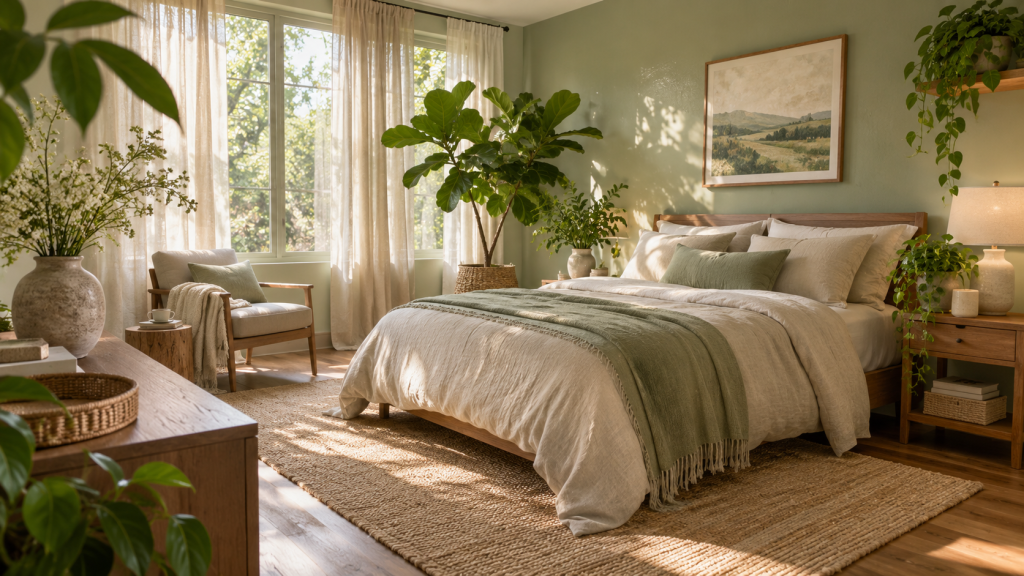
How to Apply Biophilic Design in Different Rooms
Rather than decorating every room in the same way, consider how you use each space. Natural elements should complement your daily activities and make the room more enjoyable.
| Room | Biophilic Design Ideas |
| Living room | Large houseplants, wooden furniture, and woven rugs. |
| Bedroom | Cotton bedding, earthy colors, and botanical artwork. |
| Kitchen | Windowsill herbs, wooden utensils, and stone surfaces. |
| Bathroom | Bamboo accessories, pebble textures, and humidity-loving plants where light permits. |
| Home office | Natural daylight, desk plants, and wooden shelving. |
| Dining room | Seasonal flowers, solid wood tables, and woven placemats. |
Begin with the rooms where you spend most of your time. You’re more likely to appreciate changes that become part of your everyday routine.
Recommended Products for a Nature-Inspired Home
These accessories can help you introduce natural textures, greenery, and sensory elements into your living space.
- Costa Farms Parlor Palm – A graceful indoor plant with delicate foliage that complements empty corners and seating areas.
- nuLOOM Rigo Handwoven Jute Rug – Adds earthy tones and natural texture to living rooms and bedrooms.
- NICETOWN White Sheer Curtains – Allows daylight to filter through while softening the appearance of windows.
- Large Woven Storage Basket – Combines decorative texture with practical household storage.
- HoMedics Tabletop Water Fountain – Introduces the gentle sound of flowing water into reading corners and relaxation areas.
Conclusion
A home that feels connected to nature doesn’t have to resemble an indoor garden. Sometimes, the most meaningful changes are as simple as moving a chair closer to the window, introducing wooden furniture, or growing fresh herbs in the kitchen. Biophilic interior design encourages you to look beyond appearances and consider how your surroundings influence your everyday experiences. Choose natural elements that suit your lifestyle and bring you genuine enjoyment. Over time, these small decisions can transform familiar rooms into comfortable, inviting spaces where nature feels like a natural part of home life.
FAQs
What are the main elements of biophilic interior design?
The main elements include natural daylight, living greenery, organic materials, earthy colors, nature-inspired patterns, outdoor views, and sensory experiences.
Is biophilic interior design expensive?
No. Affordable changes such as rearranging furniture, propagating houseplants, maximizing daylight, and introducing natural decorative accessories can make a meaningful difference.
Can biophilic design work in small apartments?
Absolutely. Hanging planters, compact houseplants, lightweight curtains, and wooden accessories introduce natural elements without taking up much floor space.
What is the difference between biophilic and botanical interior design?
Botanical design primarily focuses on plants and plant-inspired décor. Biophilic design takes a broader approach, incorporating natural materials, lighting, airflow, textures, and outdoor connections.
Can I create a biophilic interior without live plants?
Yes. Wooden furniture, natural stone, landscape artwork, organic fabrics, and access to daylight can help establish a connection with nature without the responsibilities of plant care.