12 Easy Indoor Plants For Beginners
We may earn a commission for purchases made using our links. Please see our disclosure to learn more.
Indoor plants are one of the simplest ways to improve your home without starting a full renovation. If you’re searching for easy indoor plants, you likely want greenery that looks great, requires minimal effort, and fits naturally into your space. The good news is that many beginner-friendly plants thrive in typical indoor conditions and tolerate common mistakes. In this guide, you’ll discover the best low-maintenance options, how to care for them properly, and how to use them to elevate your home’s design.
Why Easy Indoor Plants Make Smart Home Upgrades
Indoor plants aren’t just decorative. They’re practical design tools.
They refresh a room without the cost of new furniture or lighting. A single plant can soften hard edges, add depth to neutral spaces, and instantly make a home feel more finished.
The impact goes beyond looks. Research discussed in The Psychological Benefits of Indoor Plants links indoor greenery to reduced stress and improved emotional wellbeing. That calm, inviting atmosphere is exactly what most homeowners want to create.
There’s also evidence supporting environmental benefits. Findings from Interior Landscape Plants for Indoor Air Pollution Abatement — widely known as the NASA Clean Air research — showed that certain plants helped reduce measurable indoor pollutants in controlled environments. While plants don’t replace ventilation systems, they can contribute to a healthier indoor setting.
Perhaps most appealing, plants scale effortlessly. Start with one. Add more over time. No renovation required.
From a home improvement perspective, easy indoor plants act like finishing touches — subtle, affordable upgrades that make a noticeable difference.
What Makes a Plant Beginner-Friendly?
Not every plant deserves the label “easy.” True beginner plants share a few traits:
- They tolerate low to medium light
- They survive inconsistent watering
- They resist pests
- They don’t demand constant pruning
Most importantly, they recover from small mistakes.
Because let’s be honest — you’ll probably overwater at least once.
With that in mind, here are the best easy indoor plants for beginners.
12 Easy Indoor Plants For Your Home
1. Snake Plant
Snake plants are one of the most reliable easy indoor plants for beginners. They tolerate low light, bright light, and inconsistent watering. In many homes, watering once every couple of weeks works well. Their upright, structured leaves also make them perfect for empty corners that need height and definition.
2. Pothos
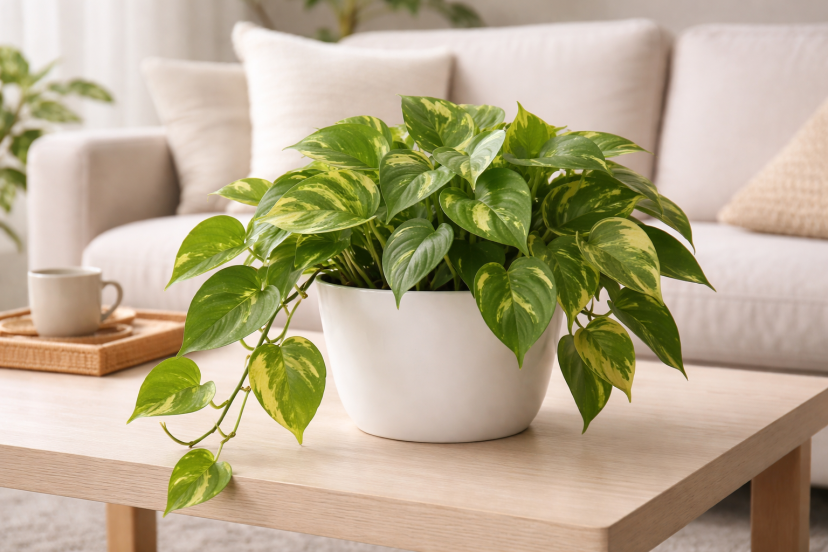
Pothos is fast-growing and incredibly adaptable. It thrives in low to bright indirect light and handles missed waterings well. The cascading vines add visual interest when placed on shelves or suspended in hanging planters. Even better, you can easily propagate it by placing a stem cutting in water until roots form.
3. ZZ Plant
The ZZ plant is built for low-maintenance living. Its thick, glossy leaves store water, allowing it to tolerate long dry periods. Watering once a month often works fine. It performs especially well in offices, bedrooms, and rooms with limited natural light.
4. Spider Plant
Spider plants are beginner favorites because they’re easy to grow and quick to multiply. They produce small offshoots, or “pups,” that you can replant. They thrive in indirect light and need moderate watering, which makes care straightforward.
5. Peace Lily
Peace lilies add elegance without demanding complicated care. They do best in bright, filtered light with soil that stays lightly damp but not soggy. One helpful feature: they visibly droop when thirsty and perk back up after watering, which makes care intuitive for beginners.
6. Aloe Vera
Aloe vera combines function with style. It prefers bright light and dry soil, so avoid overwatering. The thick leaves store moisture, and the gel inside can soothe minor burns. It’s a practical plant that fits well in kitchens or sunny windows.
7. Rubber Plant
Rubber plants make bold, modern statements with their large, glossy leaves. These plants do best in bright, indirect sunlight with consistent but not excessive watering. Given time and space, they grow tall and fill vertical areas beautifully, making them ideal for open living rooms.
8. Philodendron
Philodendrons are adaptable and forgiving. They tolerate lower light conditions and only need watering when the topsoil dries out. Their soft, heart-shaped leaves complement both minimalist and contemporary interiors.
9. Chinese Evergreen
Chinese evergreens thrive in low light and tolerate dry indoor air. Many varieties feature subtle color variations, adding visual interest beyond plain green foliage. They’re especially useful in rooms without strong sunlight.
10. Parlor Palm
Parlor palms bring a subtle tropical touch to indoor spaces. They adapt well to average indoor lighting and require moderate watering. Unlike some tropical plants, they don’t demand high humidity, which makes them easier to maintain.
11. Cast Iron Plant
The cast iron plant is known for its remarkable durability. It tolerates low light, irregular watering, and occasional neglect better than most varieties. If your schedule is unpredictable, this plant is a dependable option.
12. Jade Plant
Jade plants are compact succulents with thick, glossy leaves. They prefer bright light and dry soil, so water sparingly. Their tidy size makes them perfect for desks or windowsills, and many homeowners appreciate their reputation for bringing good fortune.
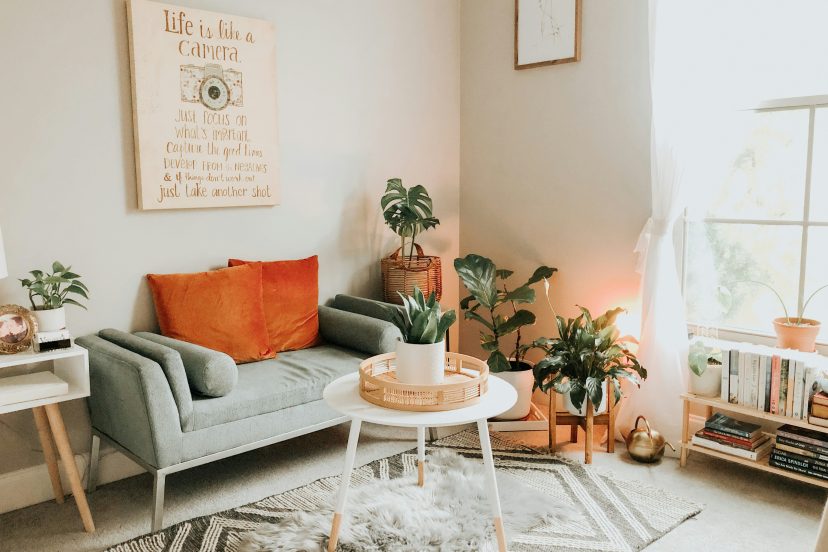
How to Style Easy Indoor Plants for Maximum Impact
Choosing the right plant is step one. Placement is step two.
Here’s how to make them look intentional:
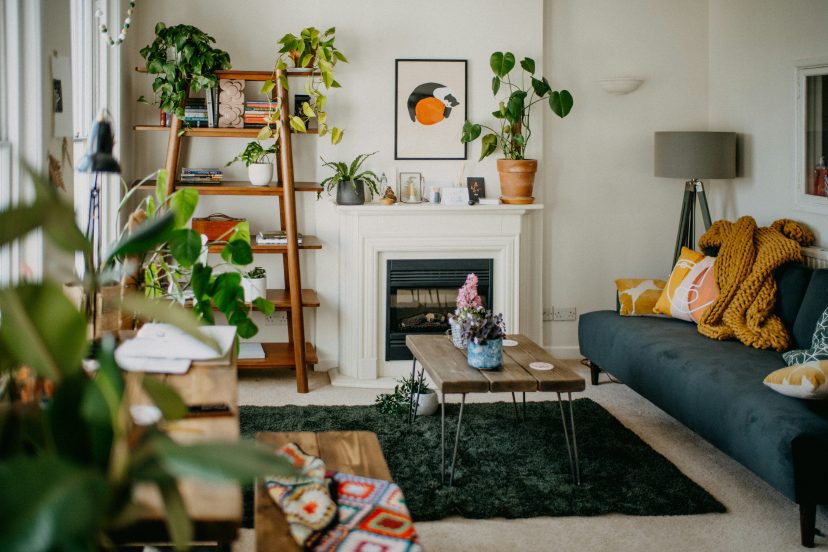
Vary heights. Place tall plants on the floor, medium plants on stands, and small plants on shelves.
Use decorative pots. Neutral ceramic works well in modern homes. Terracotta adds warmth. Matte black creates contrast.
Group in odd numbers. Three plants together often look more balanced than two.
Fill empty corners. Large plants anchor open spaces beautifully.
Indoor plants aren’t random additions. They’re design elements.
Beginner Plant Care Tips That Actually Work
Plant care doesn’t need to be complicated. In fact, simple routines work best.
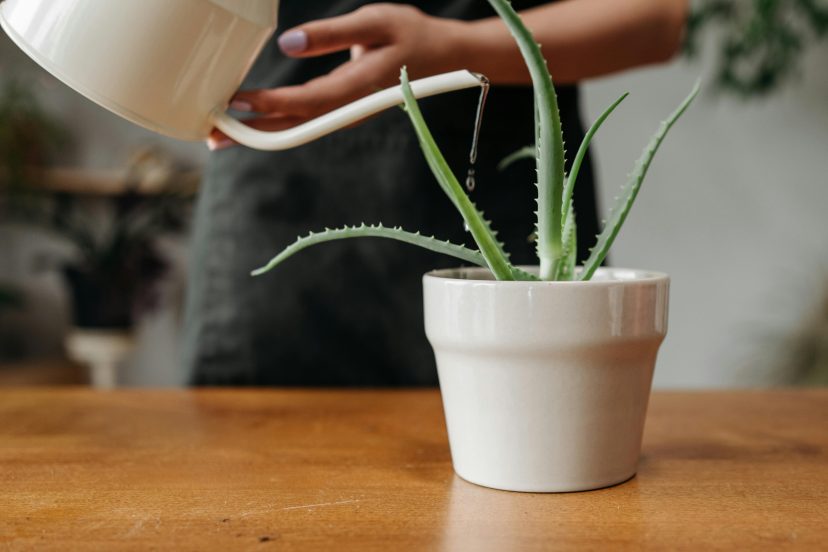
Most beginner plants struggle from overwatering, not neglect. Rather than sticking to a fixed watering schedule, test the soil first. If the top layer is dry, go ahead and water. If it still feels moist, give it a few more days..
Good drainage makes a big difference. Use a quality potting mix designed for indoor plants and make sure your pots have drainage holes. Healthy roots need air as much as water.
Every few weeks, rotate your plants slightly so they grow evenly toward the light. Take a moment to gently clean dust from the leaves using a damp cloth. Clean leaves absorb light more efficiently and simply look better.
Above all, stay consistent. You don’t need perfect timing or expert knowledge. A steady routine and small adjustments over time will keep your easy indoor plants thriving.
Conclusion
Easy indoor plants prove that upgrading your home doesn’t have to be complicated or expensive. With the right beginner-friendly choices, you can add texture, color, and life to any room without committing to high-maintenance care routines. Start with one or two plants, learn their basic needs, and build from there. Small changes create noticeable impact. And if you’re improving your outdoor spaces too, explore these inspiring rock patio ideas to complete the look inside and out.
FAQs
1. Which indoor plants are the simplest for new plant owners to grow?
Snake plant, pothos, ZZ plant, and spider plant are among the easiest to maintain.
2. How frequently do beginner-friendly indoor plants need watering?
Many only need watering every couple of weeks under normal indoor conditions. Always check soil dryness first.
3. Do beginner plants need direct sunlight?
Most varieties flourish in bright, indirect light, while some adapt well to lower-light spaces.
4. What is the biggest mistake new plant owners make?
Too much water is usually the problem. Let the top layer of soil dry out before giving the plant more water.
5. Are indoor plants good for home resale value?
They improve staging appeal and create a more inviting atmosphere.