5 Chic Cane Furniture Pieces for Natural Style
We may earn a commission for purchases made using our links. Please see our disclosure to learn more.
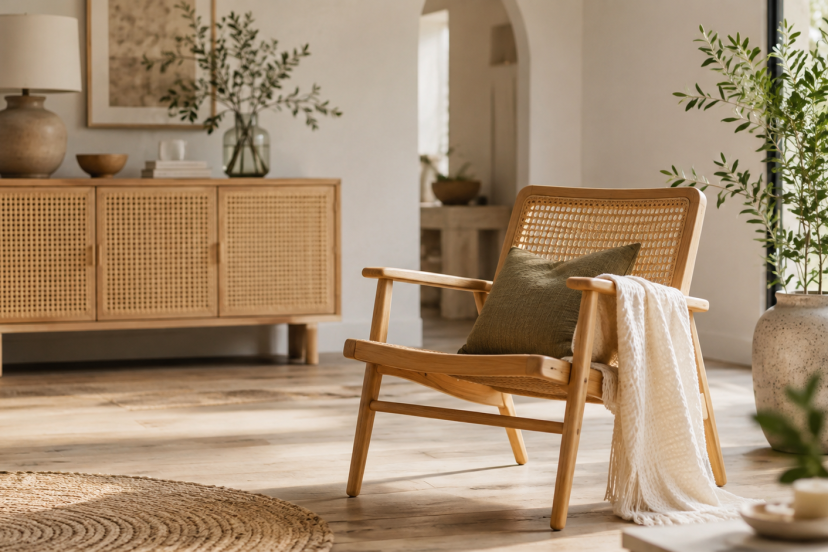
Cane furniture makes a room feel lighter, warmer, and more relaxed without turning it into a beach house. Its open weave adds texture, while its natural color works with crisp white walls, deep green paint, dark wood floors, and many finishes in between. The key is restraint. One well-chosen chair, cabinet, or bedside table can soften a modern room. Fill every corner with woven furniture, however, and the look can become busy. Here are five practical pieces worth considering, plus advice for choosing, styling, and caring for them.
What Is Cane Furniture?
Cane is made from the firm outer layer of the rattan plant. Makers cut it into narrow strips and weave it into chair backs, drawer fronts, cabinet doors, and decorative panels.
Rattan often forms the thicker frame, while cane creates the finer woven surface. Wicker describes a weaving method rather than one particular plant.
This distinction matters while shopping because product listings sometimes use “cane,” “rattan,” and “wicker” loosely. Read the materials section to learn whether the weave is natural cane, synthetic resin, or an imitation.
The Canadian Conservation Institute provides a useful explanation of cane and woven plant materials.
Why Cane Works in So Many Homes
Cane introduces pattern without demanding a bold color. Its small openings create light and shadow, so even a simple cabinet front has more depth than a flat panel.
It also bridges several decorating styles. Pair pale cane with oak and linen for a Scandinavian mood. Add black metal for modern contrast. Use walnut, aged brass, and patterned textiles for a collected, vintage-inspired room.
Cane also suits curved silhouettes. Explore this guide to using curved furniture to improve visual flow for more ideas on softening a room’s layout.
Top Cane Furniture Picks for Effortless Style
These five cane furniture picks combine natural texture, practical function, and timeless style. From statement seating to versatile storage, each piece offers an easy way to make your home feel warmer, lighter, and more inviting.
1. Safavieh Home Lula Cane Accent Chair

A cane accent chair is an easy starting point because it creates a focal point without forming a large visual block. The Safavieh Home Lula combines a woven back, structured frame, and upholstered seat, giving you texture with everyday comfort.
Place it beside a living-room window, across from the sofa, or in an unused bedroom corner. A small lumbar pillow can add support and color.
For a polished result, repeat one chair element elsewhere, such as a linen shade, natural basket, or warm wood table. This creates a visual connection without making the room feel overly matched.
Best for: Reading corners, bedrooms, and small conversation areas.
2. Nathan James Kova Accent Sideboard
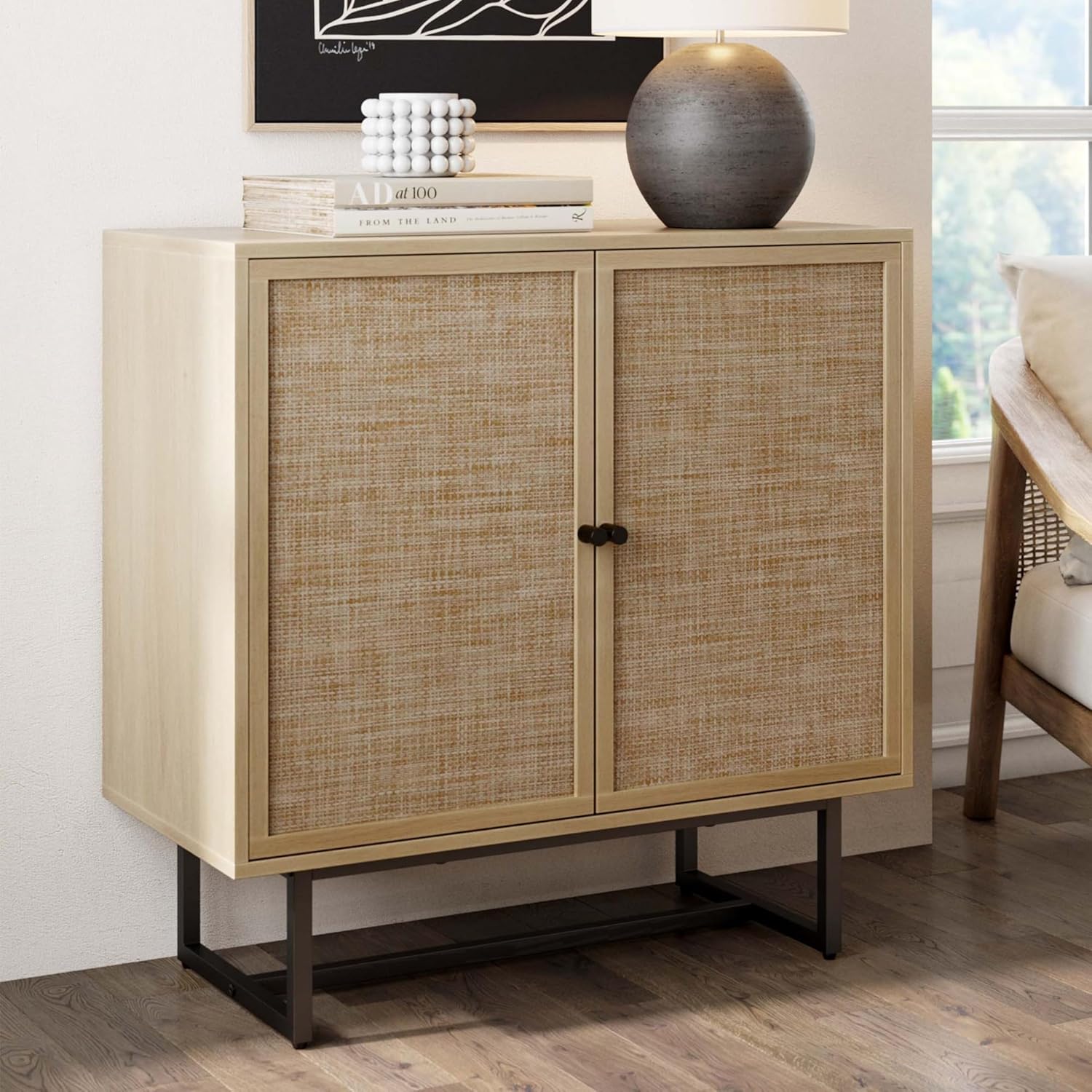
The Nathan James Kova sideboard makes sense when you want cane furniture to solve a storage problem. Its woven doors break up the solid cabinet frame, helping a substantial piece feel less heavy.
Use it in a dining room for serving pieces, a living room for games and electronics, or an entryway for everyday clutter. Keep the top simple so the textured doors remain the main detail.
A lamp, shallow tray, and one decorative object may be all you need. Too many small accessories can compete with the woven pattern.
Measure the wall, door swing, and walking path first. A sideboard should provide storage without narrowing circulation. These living-room setup ideas can help you arrange seating, improve traffic flow, and create space for personal decor.
Best for: Concealed storage in living rooms, dining rooms, and entries.
3. SICOTAS Larger Rattan Night Stand with Charging Station

The SICOTAS nightstand combines woven drawer fronts with practical bedside storage. Its three drawers keep books, chargers, and personal items organized, while the built-in outlets and USB ports make charging devices more convenient.
Its warm wood finish works well with upholstered, painted, or natural wood beds. Measure the available space and compare its height with your mattress before ordering.
Best for: Bedrooms that need extra storage and built-in charging.
4. Signature Design by Ashley Valebeck Swivel Bar Stool

The Valebeck bar stool combines a dark wood frame, metal details, and a linen-colored cushioned seat. Its 360-degree swivel makes it easy to turn between the kitchen island and nearby conversation areas.
Nailhead trim adds rustic character, while the supportive back and footrest improve comfort during meals or casual gatherings. Check the counter-height dimensions before ordering.
Best for: Rustic kitchens, breakfast bars, and casual entertaining.
5. Safavieh Couture Flanders Rattan Pole Bench

A bench provides useful seating without the visual weight of a loveseat. The Safavieh Couture Flanders bench features natural rattan detailing and an airy frame, making it a stylish option for an entryway, the foot of a bed, or an open living-room wall.
In an entry, pair it with a narrow mirror and a basket for shoes. When placing a bench at the end of the bed, keep enough clearance for comfortable movement.
The bench should improve the room’s function, not block movement. You may also use it as flexible seating when guests visit.
Best for: Entryways, bedrooms, and occasional seating.
How to Choose Quality Cane Furniture
Start with the weave. It should look even, tight, and firmly secured around the edges. Natural color variation is normal, but large gaps, loose strands, or splintered sections may indicate weak workmanship.
Next, inspect the frame and joints. Cane panels rarely carry the entire load; wood or metal usually provides the structure. Look for reinforced corners, steady legs, and a clear weight limit.
On cabinets, check hinges and door alignment. On chairs and benches, prioritize frame strength over decorative details. A beautiful weave cannot compensate for unstable legs or poorly connected joints.
Finally, decide whether you need natural or synthetic material. Natural cane generally performs best indoors or in protected spaces. Synthetic woven material usually handles exposed outdoor conditions better.
Styling Cane Without Making the Room Feel Themed
Treat cane as a texture, not a decorating theme. One large piece or two small pieces in the same room often feel balanced.
Build around them with quieter materials such as linen, wool, ceramic, glass, and solid wood. These surfaces complement the weave without repeating it.
Contrast keeps the look current. Pale cane appears crisp beside charcoal, black, or deep blue. Honey-colored cane works well with cream, olive, terracotta, and walnut.
You can also use cane to soften glossy or industrial finishes. For example, a woven chair can make a room with concrete floors and black-framed windows feel more welcoming.
Avoid matching every woven item. A cane cabinet, jute rug, and wicker basket can coexist because their textures differ. Repeating the exact same pattern across chairs, lighting, storage, and headboards can feel overly coordinated.
Care Tips That Protect the Weave
Dust cane with a soft brush or a vacuum’s brush attachment. Work gently around the edges, where dirt often settles.
For light grime, use a barely damp cloth and dry the area promptly. Never soak the weave or allow water to collect around the frame.
Humidity matters too. The U.S. Environmental Protection Agency recommends keeping indoor relative humidity ideally between 30% and 50% to control moisture and indoor pollutants. That range also helps you avoid persistently damp conditions around natural furnishings.
See the EPA’s indoor humidity and air-quality guidance for practical household steps.
Keep natural cane away from rain and harsh afternoon sun. Clean spills quickly, and follow the manufacturer’s instructions before applying oil, polish, or cleaning spray.
Conclusion
Cane furniture adds warmth, pattern, and natural character to a room. The best piece also earns its floor space, whether it provides comfortable seating, hidden storage, or a useful bedside surface. Focus on strong construction, correct dimensions, and an even weave before buying. Then give the piece room to breathe and pair it with contrasting textures. Used thoughtfully, cane feels timeless rather than trendy—and makes an ordinary space much more inviting.
FAQs
Is cane furniture the same as rattan furniture?
Not exactly. Cane is commonly taken from rattan’s outer layer and woven into decorative furniture panels. Thicker rattan poles may form the furniture frame.
Is cane furniture durable?
Well-made cane furniture can last for years indoors. Its durability depends on frame strength, weave tension, placement, and regular care.
Avoid sitting on decorative panels that were not designed to support weight. Always follow the manufacturer’s weight limits.
Can natural cane furniture go outdoors?
Natural cane works better indoors or in a dry, covered area. For an exposed patio, choose furniture specifically rated for outdoor use.
Outdoor woven furniture often uses synthetic material that resembles cane but tolerates moisture and sunlight more effectively.
How do you clean cane furniture?
Remove dust with a soft brush or brush attachment. Clean small marks with a slightly damp cloth and dry the area right away.
Do not saturate the weave. Strong chemical cleaners may discolor or weaken natural fibers, so check the care instructions first.
Which decor styles suit cane?
Cane works with coastal, bohemian, Scandinavian, mid-century modern, farmhouse, Mediterranean, and contemporary interiors.
Nearby colors and materials shape the final mood. Light wood and linen feel airy, while dark finishes and metal create a more dramatic result.