10 Curated Console Table Styling Ideas
We may earn a commission for purchases made using our links. Please see our disclosure to learn more.
A console table can quickly get cluttered or look incomplete without proper staging. Successful console table styling is a mix of functional pieces and thoughtfully curated décor in which height, texture, color and open space work together to form a cohesive and polished presentation. This collection of 10 tips will help you to decorate a console table that works with your living space and lifestyle.
1. Start With a Strong Focal Point
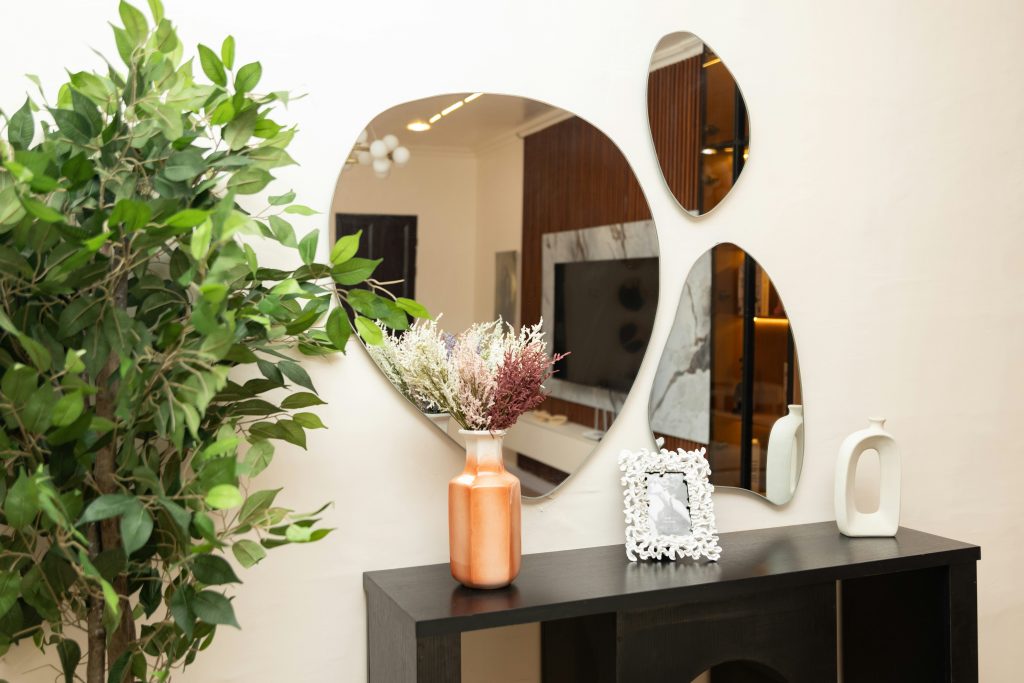
Start with a single large piece above the console table. A mirror, framed print, woven textile, or sculptural wall piece can serve as the base of the whole look.
Pick a focal piece that is about two thirds the width of the table. A tiny print might seem lost against a piece of furniture, while an enormous artwork might overpower a small table.
Mirrors are especially useful in entryways, as they bounce light around and give the sense that a narrow hall is wider than it really is. They also serve as a handy spot to ensure your appearance is in check before leaving home.
Artwork brings color and personality into the room. It can also guide your choice of accessories. For example, you might repeat a muted green or warm brown from the artwork in a vase, candle, or decorative bowl.
If the room contains many straight lines, consider an arched mirror. Its rounded shape can soften the space. Explore these curved furniture ideas for more ways to balance angular and rounded forms.
2. Create Height With a Table Lamp
A table lamp gives your display height while adding practical evening light. Position it near one end of the console rather than placing it directly in the center.
Balance the other side with a lower grouping. You could combine stacked books, a small plant, and a decorative bowl. The two sides do not need to match, but they should carry a similar amount of visual weight.
Scale matters when selecting a lamp. It should be large enough to hold its place beside the mirror or artwork without blocking too much of the focal point. A lamp that is too small may disappear among the other accessories.
Choose a compact design for a shallow console table styling. Larger tables can support a taller lamp with a wider shade.
Warm lighting usually creates a more welcoming atmosphere than bright, cool light. It also enhances the appearance of wood, ceramic, linen, and metal finishes. Hide the cord behind the table or secure it neatly against the wall.
3. Arrange Accessories in Groups of Three
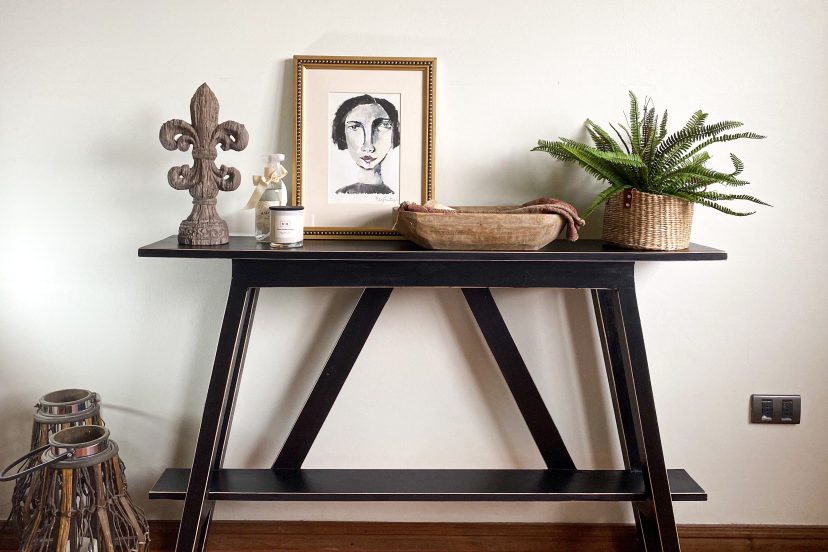
Grouping accessories in threes is a simple way to create a balanced display. Choose objects with different heights and shapes, such as a tall vase, a medium candle, and a small decorative bowl.
Avoid arranging everything in a straight row. Place the tallest object toward the back, then move the smaller pieces slightly forward. This creates depth and makes the grouping feel more natural.
The items do not need to be the same color. However, they should share at least one quality, such as a similar finish, material, style, or mood.
A simple grouping might include:
- A ceramic vase with leafy stems
- A candle in a glass holder
- A small wooden bowl
If the pieces still look disconnected, place the two smaller objects on a tray. This defines the arrangement and helps the accessories look intentional.
Decorative books can also provide height. Stack one or two beneath a small object so it remains visible beside taller pieces.
4. Add Natural Greenery
Plants and leafy branches soften the straight edges of a console table. They also introduce natural color, texture, and movement.
A tall vase filled with branches can balance a table lamp. A small potted plant works well beside books, trays, or decorative boxes.
Choose greenery based on the amount of natural light available. Pothos, snake plants, and ZZ plants can tolerate many indoor environments, although they still need suitable care.
Artificial greenery may be more practical in a dark hallway. Look for realistic leaf colors, varied shapes, and natural-looking stems. Avoid plants with a strong plastic shine because they may look artificial under bright lighting.
Keep floral arrangements loose rather than perfectly rounded. A few arching branches usually look more graceful than a tightly packed bouquet.
A review of living spaces and psychological well-being discusses how natural elements, lighting, color, and spatial design can influence the way people experience their homes.
5. Style a Functional Entryway Display
An entryway console should make daily routines easier. It can look attractive while providing a practical place for essential items.
Consider adding:
- A bowl for keys
- A tray for sunglasses or wallets
- A box for charging cables
- A basket underneath for shoes
- A drawer organizer for mail
Keep only items you use regularly on the surface. Receipts, unopened letters, and loose cables can quickly make a carefully arranged table look cluttered.
If the console has drawers, give each one a clear purpose. One drawer could hold keys and pet accessories, while another stores reusable shopping bags.
For a table without drawers, choose an attractive lidded box. It can hide practical items while still contributing to the display.
In a narrow hallway, mount the mirror and lighting on the wall. This leaves more surface space available and reduces the chance of objects being knocked over.
6. Layer Artwork for a Relaxed Look
You do not need to hang every picture. Leaning framed artwork against the wall creates a softer arrangement and makes the display easier to update.
Start with one large frame at the back. Place a smaller frame slightly in front, allowing the edges to overlap. Add a low object, such as a candle, ceramic dish, or small sculpture.
Limit the display to two or three frames. Too many images can compete for attention and make a narrow table feel crowded.
For a connected look, repeat one color from the artwork in a nearby accessory. If the picture contains terracotta tones, you might add a rust-colored vase or candle.
You can mix different frame styles, but give them something in common. Try using varied shapes in the same finish or different finishes within one color family.
Always secure large or heavy frames if children or pets use the room. The display should feel relaxed without becoming unstable.
7. Build a Tonal Color Palette
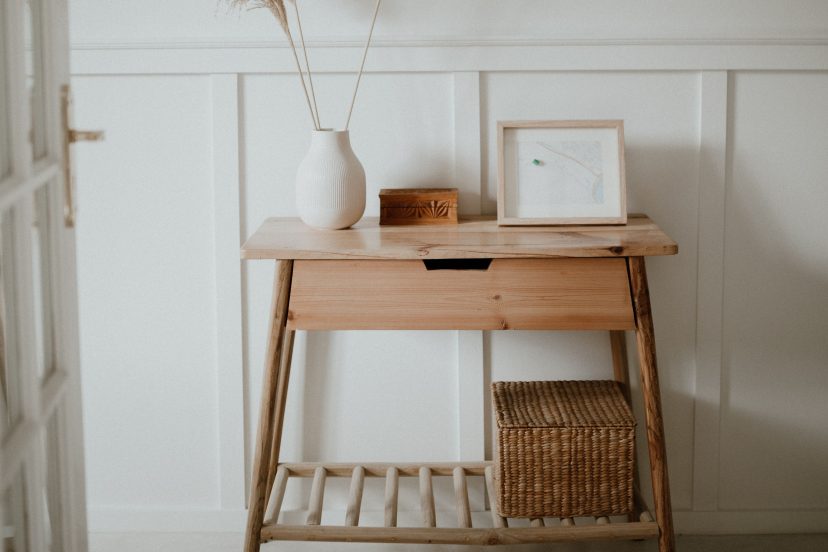
A tonal palette combines several shades from the same color family. It creates a calm display without making every item look identical.
For a warm neutral arrangement, you might use:
- Cream
- Sand
- Taupe
- Camel
- Dark brown
Because these colors relate to one another, simple accessories look more coordinated. This approach also makes it easier to combine new pieces with items you already own.
Texture prevents a tonal arrangement from appearing flat. Pair a matte ceramic vase with clear glass, weathered wood, woven fibers, or polished metal.
You can also borrow colors from the surrounding room. If the living room includes sage cushions, repeat that shade in a vase or book cover. If the lighting has a brass finish, add one small brass accessory to the table.
Avoid repeating every color in the room. Choose one or two tones to create a subtle connection.
8. Mix Decorative Materials
A display made from one material can feel flat. Combining several finishes adds dimension and makes the arrangement more interesting.
Wood introduces warmth, while glass keeps the display feeling light. Metal adds definition and catches the light. Stone, linen, cane, and handmade pottery offer softer texture.
A balanced combination might include:
- A wooden console
- A ceramic lamp
- A glass vase
- A brass candleholder
- A woven basket
Look for contrast without adding too many unrelated finishes. A rustic wooden bowl can look beautiful beside a polished brass lamp. However, several competing metals and wood tones may make the table feel disorganized.
Woven accessories pair especially well with modern furniture because they soften clean lines. Our guide to vintage European décor also offers inspiration for combining aged finishes with contemporary pieces.
9. Leave Intentional Empty Space
Open space is an important part of console table styling. It gives the eye somewhere to rest and allows your best accessories to receive attention.
After arranging the table, step back and view it from the doorway. If you are unsure where to look first, remove one or two pieces.
This editing process is especially important on small tables. Several miniature decorations can make the surface feel crowded. One large focal object and a few supporting accessories usually create a stronger result.
Try to keep at least one section of the tabletop clear. This gives the arrangement breathing room and provides a convenient place to set something down temporarily.
A simpler arrangement is also easier to clean. You will be more likely to dust the table regularly when you do not have to move a large collection of objects.
There is no universal formula. The right amount of decoration depends on the table’s size, the room’s layout, and your preferences.
10. Make the Display Personal
A polished console table styling should still feel connected to your life. Include at least one item with a story or personal meaning.
Good options include:
- A framed family photograph
- A souvenir from a favorite trip
- An inherited bowl
- A handmade ceramic piece
- A favorite art book
- A small sculpture from a local artist
Use personal objects selectively. One meaningful piece often makes a stronger impression than a long row of unrelated keepsakes.
You can rotate these accents throughout the year. Display a photograph for several months, then replace it with a sculpture or travel memento. The main arrangement remains consistent while the table gains a fresh look.
Trends can guide your choices, but they should not control the display. Your home will feel more welcoming when it reflects your interests, memories, and everyday routines.
Recommended Products
These products can help you with console table styling. Check the latest sizes, finishes, availability, and customer reviews before purchasing.
- Enra Ceramic Vase Set of Three – These matte vases come in different sizes, making them easy to arrange as a coordinated group. Their varied heights create dimension without requiring several unrelated accessories.
- Hanobe Decorative Wooden Tray – This compact tray can organize keys, candles, or small decorations. Its wooden finish also adds warmth to metal, glass, and painted surfaces.
- HoperBriwght Small Tripod Table Lamp – The lamp’s compact footprint fits narrow tables. Its wooden base and fabric shade add soft texture while providing practical entryway or living room lighting.
- HOMSUN Linen Decorative Books – These decorative books can raise small accessories to a more noticeable height. They also offer discreet storage for photographs, notes, and lightweight keepsakes.
- Winlyn Small Artificial Potted Plants – These artificial plants introduce greenery to darker rooms where living plants may struggle. Their compact size makes them suitable for narrow console tables.
Conclusion
A styled console table should look at home in the room and not too staged. Let these console table styling ideas inspire you and then layer and edit the display until it suits your space, needs and personal style. Tweak your set-up whenever it feels cluttered and switch out a few accents each season. The end result is a friendly surface that brings warmth, ties in with the surrounding décor, and still serves a useful function.
FAQs
What should you put on a console table?
Start with a mirror or artwork. Add a lamp or tall vase, a lower accessory grouping, and a practical item such as a tray. Greenery and one personal object can make the display more welcoming.
How many items should be displayed?
There is no fixed number. A small console may need only three or four pieces, while a longer table can hold several groupings. Focus on scale, balance, and visible open space.
Should console table décor be symmetrical?
Symmetry is optional. Matching accessories create a formal appearance, while an asymmetrical arrangement feels more relaxed. Both sides should still carry a similar amount of visual weight.
How do you style a console table without making it cluttered?
For easy console table styling, use a few larger pieces instead of many small decorations. Place loose items on a tray, hide practical supplies in a drawer or box, and keep part of the tabletop clear.
Should a console table have a mirror or artwork above it?
Either choice can work. A mirror reflects light and offers a practical feature for an entryway. Artwork introduces color and personality. Choose according to the room’s purpose and your preferred style.