
Bathroom Vanity Cabinets for Smart Bathroom Storage
We may earn a commission for purchases made using our links. Please see our disclosure to learn more.
Bathroom clutter can turn even a gorgeous room into a source of stress. The problem with bathroom vanity cabinets is that they need to provide smart storage, support your sink and make the room look better all at the same time. In this guide, you’ll learn what to look for in a vanity to ensure it fits your space, can handle moisture, and keep your daily essentials organized.
Why Bathroom Vanity Cabinets Matter
A bathroom can look beautiful and still feel frustratingly cramped if there’s no place to put things. That’s why vanity cabinets come so highly recommended.
They conceal plumbing, provide a platform for the sink and also serve as storage for your daily essentials. A good vanity keeps your essentials within reach without making the room feel cluttered.
For small bathrooms, the right cabinet can make the space feel larger. For busy family bathrooms, it can reduce morning chaos. For guest bathrooms, it can create a clean, finished look without needing a major remodel.
In short, bathroom vanity cabinets bring together function and style in one hard-working piece.
What to Look for Before Buying
Before you fall in love with a design, measure your space carefully. A vanity that looks perfect online may feel cramped once installed.
You need to think about width, depth, height, plumbing placement, door swing, and walking space. A beautiful cabinet is not useful if you bump into it every time you open the bathroom door.
Size and Layout
Start by measuring the wall where the vanity will sit. Then check how much space you have around the toilet, shower, and door.
For powder rooms, a 24-inch or 30-inch vanity usually works well. For standard bathrooms, 36 inches offers more counter space. Larger bathrooms may handle 48-inch, 60-inch, or double-sink vanities.
Also, think about depth. Standard vanities are often around 18 to 21 inches deep. However, narrow vanities work better in tight bathrooms.
Storage Style
Not everyone stores the same things in a bathroom. Some people need deep drawers for hair tools. Others need shelves for towels. Families may need both.
Drawers work well for small items because you can see everything at once. Cabinets with doors are better for taller bottles, cleaning products, and extra toilet paper.
If you want the best setup, choose bathroom vanity cabinets with a mix of drawers and shelves. That gives you flexible storage as your needs change.
Moisture-Resistant Materials
Bathrooms are humid. That means cheap materials can swell, peel, or warp over time.
Solid wood looks beautiful, but it needs proper sealing. Plywood is often a strong choice because it handles moisture better than low-quality particleboard. MDF can work too, but only when it has a durable finish and proper edge sealing.
Look for water-resistant finishes, soft-close hardware, and raised legs or sealed bases. These details help your vanity last longer.
Sink Type and Counter Space
Your sink style affects both storage and daily use.
An undermount sink gives a clean look and makes the counter easy to wipe. A vessel sink adds style but may reduce usable counter space. An integrated sink is simple and practical, especially for busy bathrooms.
If you use many products each morning, do not sacrifice all your counter space for looks. A pretty vanity should still make your routine easier.
Bathroom Vanity Cabinet Styles to Consider
Bathroom vanity cabinets come in many styles, so it helps to match the design to your room and lifestyle.
Freestanding Vanity Cabinets
Freestanding vanities are popular because they are easy to install and come in many sizes. They sit directly on the floor and often offer generous storage.
They work well in traditional, farmhouse, transitional, and modern bathrooms. If you want a simple upgrade without changing the whole room, this is often the safest choice.
Wall-Mounted Vanity Cabinets
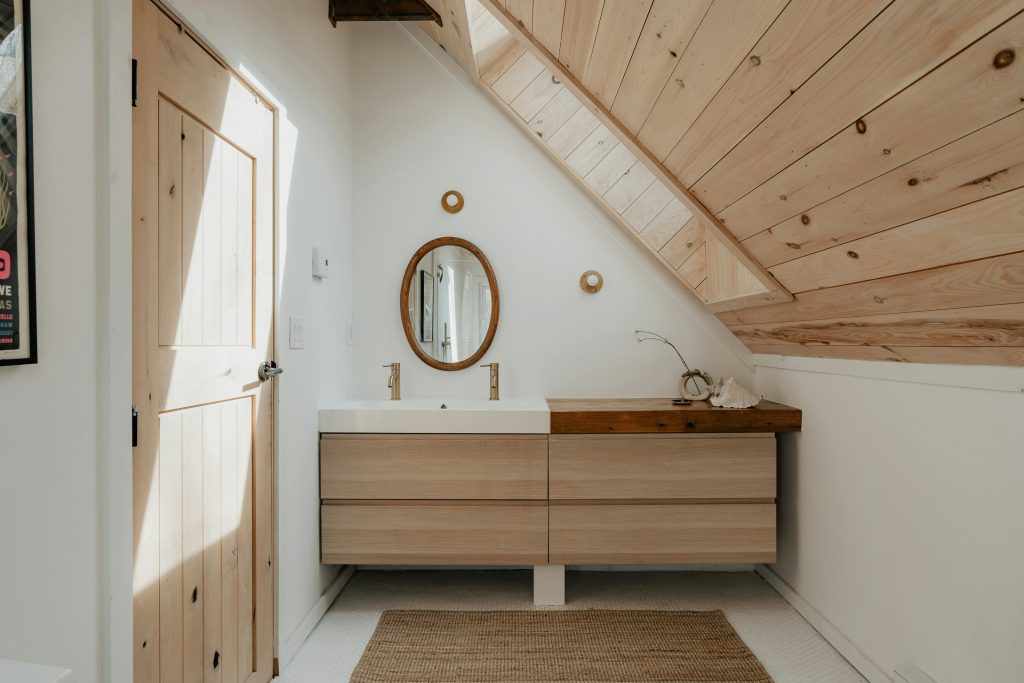
Wall-mounted vanities, also called floating vanities, attach to the wall and leave open space underneath.
This style makes a bathroom feel more open. It also keeps the floor area more open and easier to clean. However, installation can be more involved because the vanity needs strong wall support.
Floating vanities are great for modern bathrooms and small spaces.
Double Sink Vanity Cabinets
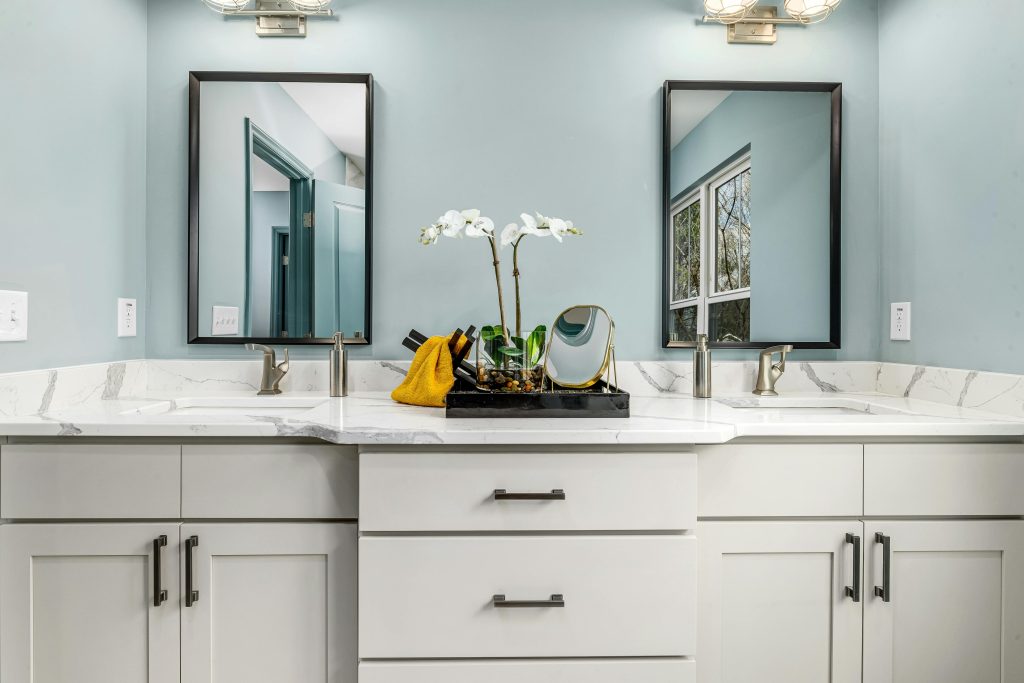
A double vanity is ideal for shared bathrooms. It gives two people their own sink area, which can make mornings much smoother.
The downside is size. Double vanities need more wall space and may reduce storage if the plumbing takes up too much room. Look for designs with center drawers or side cabinets to keep the layout useful.
Small Bathroom Vanity Cabinet
Small bathrooms need smart choices. A compact vanity with drawers, open shelving, or a narrow profile can add storage without crowding the room.
Corner vanities, 24-inch vanities, and slim-depth cabinets work especially well. Choose lighter finishes if you want the room to feel brighter and less boxed in.
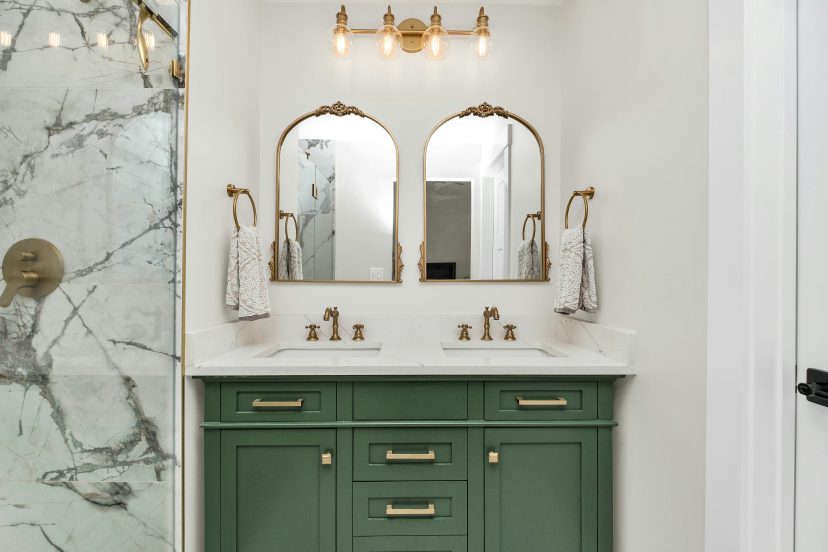
If you love classic charm, you can also pair a compact vanity with vintage-style mirrors, brass accents, or details inspired by vintage European décor. This adds character without taking up extra floor space.
What Experts Say About Bathroom Moisture and Storage
Bathroom storage should never ignore moisture. Cabinets sit near sinks, plumbing, steam, and splashes. That is why material quality and ventilation matter.
The U.S. Environmental Protection Agency explains that controlling moisture is one of the key ways to prevent mold growth inside the home. You can read its homeowner guidance on mold and moisture control.
The Centers for Disease Control and Prevention also notes that mold grows where moisture is present, especially around leaks or damp surfaces. Its guide on how mold grows in damp indoor spaces reinforces why bathroom leaks and poor ventilation should be handled quickly.
For vanity cabinets, this means you should choose moisture-resistant materials, seal gaps around sinks, fix leaks fast, and keep the room ventilated. These simple steps protect both your storage and your indoor air quality.
How to Keep Bathroom Vanity Cabinets Organized
Once you choose the right cabinet, organization makes it work even better.
Use drawer dividers for small items. Add clear bins under the sink. Keep daily products near the front and backup items in the back.
Avoid stuffing the cabinet until it becomes a mystery cave. You know the one. You open the door, and three bottles fall out like they were waiting for freedom.
Instead, group items by use. Keep hair tools together, skincare together, and cleaning supplies in a separate bin. This makes the vanity easier to use and easier to clean.
Common Mistakes to Avoid
- Buying for looks only: Choose a vanity that offers both style and useful storage.
- Ignoring plumbing: Check pipe placement before buying, especially if you want drawers.
- Choosing cheap materials: Low-quality cabinets can swell, peel, or warp in humid bathrooms.
- Forgetting lighting: Good mirror lighting makes grooming easier and helps the vanity look finished.
Final Thoughts
Bathroom vanity cabinets are one of the smartest upgrades you can make if you want better bathroom storage and style.
The best choice depends on your space, routine, and design taste. A small bathroom may need a compact vanity with vertical storage. A shared bathroom may need a double vanity with drawers. A guest bath may only need a stylish freestanding cabinet with enough room for basics.
Focus on size, storage, moisture resistance, and easy maintenance. When those details work together, your bathroom feels cleaner, calmer, and much more functional.
FAQs
1. What is the best material for bathroom vanity cabinets?
Plywood is often a strong choice because it handles bathroom moisture better than many low-cost materials. Solid wood can also work well when sealed properly. Avoid cheap, unfinished particleboard in humid bathrooms.
2. Are freestanding or wall-mounted bathroom vanity cabinets better?
Freestanding vanities are often easier to set up. They often provide more built-in storage. Wall-mounted vanities create a modern, open look and make floor cleaning easier. The right choice depends on your bathroom layout and personal style.
3. What vanity size should you choose for a small bathroom?
A 24-inch or 30-inch vanity usually works well in small bathrooms. If the room is very narrow, choose a slim-depth vanity to keep enough walking space.
4. How do I protect bathroom vanity cabinets from moisture?
Use the bathroom fan, wipe up splashes, fix leaks quickly, and choose moisture-resistant materials. You can also seal around the sink and backsplash to prevent water from reaching cabinet edges.
5. Do bathroom vanity cabinets add home value?
Yes, they can. A well-chosen vanity improves storage, function, and appearance. Buyers often notice bathrooms, so a clean and practical vanity can make the space feel more updated.