
10 Smart Lighting Upgrades Worth Trying at Home
We may earn a commission for purchases made using our links. Please see our disclosure to learn more.
Lighting has a bigger effect on a home than most people realize. The right setup can make a kitchen easier to work in, a bedroom more relaxing, or a living room feel warmer without changing the furniture or decor. Simple lighting upgrades such as dimmers, smart bulbs, motion sensors, and under-cabinet lights can improve both comfort and convenience.
Below are 10 practical ideas worth trying, from quick weekend updates to smarter changes that can make your lighting easier to control every day.
1. Replace Older Bulbs With Smart LEDs
One of the easiest lighting upgrades is replacing older incandescent or inefficient bulbs with LED alternatives. Smart LED bulbs add another layer of usefulness because you can usually dim them, schedule them, and control them remotely.
According to the U.S. Department of Energy’s LED lighting guidance, quality white LED products can offer useful lifespans of roughly 30,000 to 50,000 hours or longer. LEDs also use energy far more efficiently than traditional incandescent lighting.
Start with frequently used fixtures in the living room, kitchen, bedroom, or hallway. There is little reason to replace every bulb at once.
2. Try Tunable White Lighting
A single color temperature does not work equally well throughout the day.
Cooler white light can feel crisp and practical while you’re cooking, cleaning, or working. Warm white light tends to feel more comfortable when you’re relaxing in the evening.
Tunable smart bulbs allow you to move between these settings without changing bulbs. Some can even adjust automatically according to a schedule.
There is a practical reason to consider warmer evening lighting, too. A recent study of home lighting and melatonin suppression found that cool-white LED lighting produced substantially greater estimated melatonin suppression than warm-white LED lighting. Tunable bulbs may therefore be particularly useful in bedrooms and evening living spaces.
3. Install Smart Dimmer Switches
Sometimes you want to keep your existing fixtures but gain better control. A smart dimmer can be a great solution.
Instead of making every bulb smart, the switch controls the fixture itself. You can lower the brightness for movie night, create schedules, or control compatible lighting through an app or smart-home platform.
Dimmers work especially well in dining rooms, bedrooms, living rooms, and kitchens.
Before buying one, check the wiring requirements and confirm that your LED bulbs are compatible with dimming. Not every LED and dimmer combination performs smoothly.
4. Add Motion-Sensor Lighting
Few upgrades feel as naturally useful as a light that turns on when you actually need it.
Motion sensors work well in closets, laundry rooms, hallways, garages, pantries, and entryways. They are especially useful in areas where people regularly forget to switch the light off.
For even better efficiency, consider sensors that also detect ambient light. They can prevent the fixture from switching on when daylight already provides enough illumination.
ENERGY STAR’s smart lighting guidance specifically highlights occupancy sensors, schedules, remote controls, and location-based automation as ways connected lighting can reduce unnecessary use.
5. Upgrade Kitchen Task Lighting
A bright ceiling fixture does not necessarily provide good kitchen lighting.
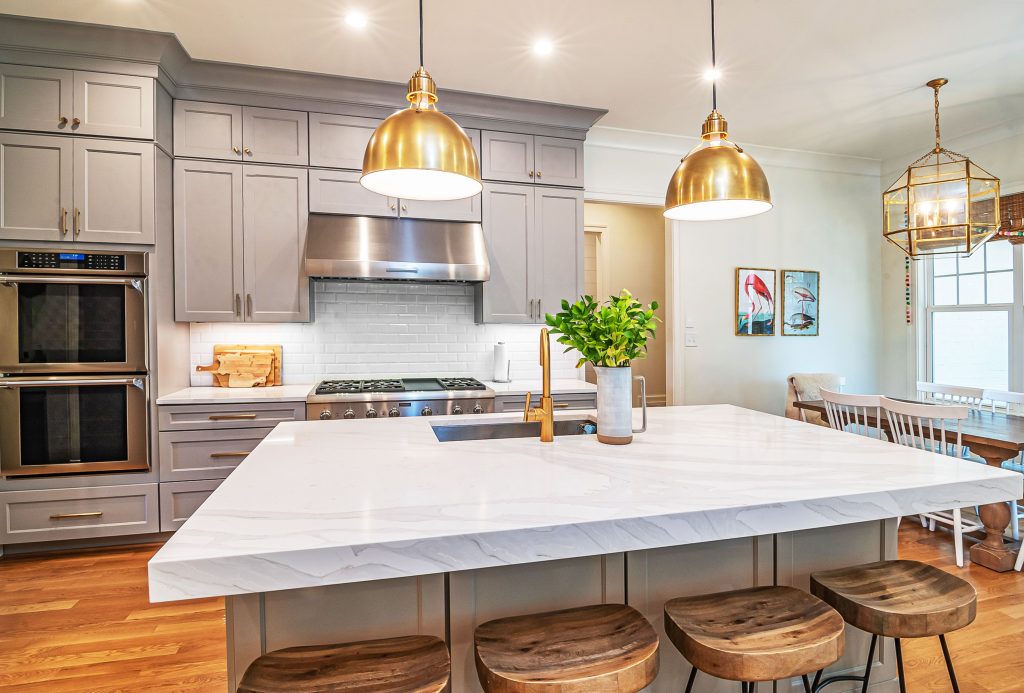
Your body can block overhead light while you prepare food, leaving countertops darker than expected. Under-cabinet LEDs solve this problem by directing light exactly where you work.
Choose slim LED bars, puck lights, or strips depending on your cabinets. Dimmable models give you useful task lighting while cooking and softer illumination later in the evening.
For the most natural-looking results, hide visible LED diodes whenever possible. A diffuser or recessed channel creates a cleaner, more finished appearance.
6. Use LED Strips for Subtle Accent Lighting
LED strips are no longer limited to gaming rooms and brightly colored bedroom walls. Used carefully, they can create polished architectural lighting.
Try placing strips under floating shelves, behind a television, underneath cabinets, along a recessed ceiling detail, or behind furniture.
The secret is hiding the strip itself. Ideally, you should notice the glow rather than stare directly at individual LEDs.
Smart RGB or RGBIC strips provide color when you want it, but good white-light performance matters more for everyday use.
7. Create Automated Lighting Schedules
Smart lighting becomes far more useful when you stop opening an app every time you want to change something.
Create simple routines instead.
Your bedroom lights might gradually brighten in the morning. Entry lights can turn on near sunset. Living-room lamps can shift to a warmer, dimmer setting later in the evening.
Vacation schedules can also make selected lights turn on and off while you’re away.
Keep automation simple at first. Two or three useful routines usually provide more value than dozens of complicated rules you eventually forget about.
8. Improve Your Outdoor Lighting
Outdoor lighting deserves just as much attention as your indoor fixtures.
Start around the entrance, steps, paths, house numbers, and other places where better visibility improves safety. Smart outdoor bulbs and switches can automatically operate around sunset instead of relying on a fixed clock time.
Warm, carefully positioned fixtures also improve the appearance of your home’s exterior. If you’re updating the entrance or front yard, these curb appeal ideas for a beautiful front yard offer additional ways to combine lighting with landscaping and entrance improvements.
Avoid flooding the entire property with extremely bright light. A few well-placed fixtures generally look more intentional.
9. Make Existing Lamps Smart
You do not have to replace a favorite floor lamp or table lamp to gain smart controls.
A smart plug can turn many ordinary lamps into scheduled or remotely controlled lights. Plug the lamp into the smart plug, leave its physical switch in the on position, and control power through the connected system.
This approach works especially well for decorative lamps that use standard non-smart bulbs.
It is also one of the least expensive ways to experiment with home automation before committing to smart switches or an entire lighting ecosystem.
10. Create Separate Lighting Zones
One bright fixture in the center of a room rarely creates great lighting.
Instead, build layers. Combine general lighting with task lighting and softer accent lighting, then control each layer separately.
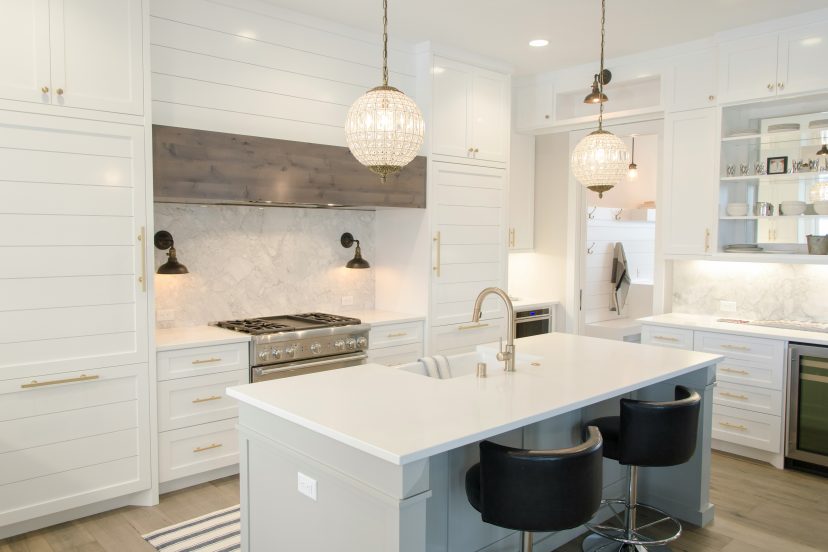
A living room might have ceiling lights for cleaning, a floor lamp for reading, and accent lights for relaxing. The kitchen could combine recessed lights, pendants, and under-cabinet LEDs.
Smart controls let you save combinations as scenes. One tap can change a room from bright daytime lighting to a softer evening setup.
This is one of the lighting upgrades that can make a home feel noticeably more polished without changing its furniture or layout.
Recommended Products
Here are five useful products to consider when planning smart lighting upgrades.
1. Philips Hue White and Color Ambiance A19 Smart Bulb
Philips Hue is a strong option for homeowners who want adjustable white light, colors, scenes, schedules, and broader smart-home controls. You can start with a few bulbs and expand the system later.
Best for: Bedrooms, living rooms, and flexible whole-home setups.
2. Kasa Smart Wi-Fi Light Switch HS200
The Kasa HS200 turns a traditional wall-controlled fixture into a connected light without requiring smart bulbs in every socket.
Best for: Ceiling fixtures and rooms where several bulbs operate from one switch.
Check your electrical box and wiring requirements before installation. Hire a qualified electrician when you are not comfortable working with household wiring.
3. Lutron Caséta Diva Smart Dimmer Switch
This smart dimmer combines familiar wall controls with connected dimming and automation. It is particularly useful when you want smart-home features without depending entirely on app-controlled bulbs.
Best for: Living rooms, dining rooms, bedrooms, and permanent lighting installations.
4. Govee RGBIC LED Strip Lights
Govee’s RGBIC strips work well for indirect accent lighting behind televisions, furniture, desks, shelving, and architectural details.
Best for: Accent lighting and customizable decorative effects.
Plan the installation before removing the adhesive backing so you know where the power connection and corners will sit.
5. Philips Hue Motion Sensor
This wireless sensor can trigger compatible Hue lights automatically when movement is detected. Philips also allows users to adjust lighting behavior according to the time of day. The sensor requires a Hue Bridge for its connected functions.
Best for: Hallways, closets, entryways, and hands-free lighting.
Conclusion
The best lighting upgrades are not necessarily the most complicated ones. A well-placed dimmer, warmer bedroom bulb, motion sensor, or strip of hidden task lighting can improve a room every single day. Start by fixing specific problems: dark countertops, harsh evening light, forgotten hallway lights, or inconvenient switches. Then add smart controls where they genuinely make life easier. When you combine efficient LEDs with thoughtful placement, useful automation, and layered lighting, your home can feel more comfortable, functional, and polished without requiring a major renovation.
FAQs
Are smart lighting upgrades worth the money?
They can be, especially in frequently used rooms. Dimming, scheduling, motion controls, and remote access add convenience, while efficient LED lighting can lower lighting-related electricity use.
Do smart lights work without Wi-Fi?
It depends on the system. Some bulbs support Bluetooth or hub-based local controls, while certain features such as remote access may require an internet connection. Check the system’s requirements before buying.
What color temperature is best for home lighting?
Warm white around 2700K to 3000K usually works well in bedrooms and living spaces. Kitchens, offices, and task areas may benefit from brighter or cooler white light. Tunable bulbs give you both options.
Should I choose smart bulbs or smart switches?
Choose smart bulbs when you want individual bulb control, adjustable color temperature, or color effects. Smart switches often make more sense when several standard bulbs operate from a single wall switch.
What lighting upgrades should I do first?
Start with the room you use most. Replace inefficient bulbs with quality LEDs, then add dimming or automation where it solves a real problem. You can expand the system after learning which features you actually use.