
Monochrome Bedroom Ideas: Texture, Contrast & Minimal Colors
We may earn a commission for purchases made using our links. Please see our disclosure to learn more.
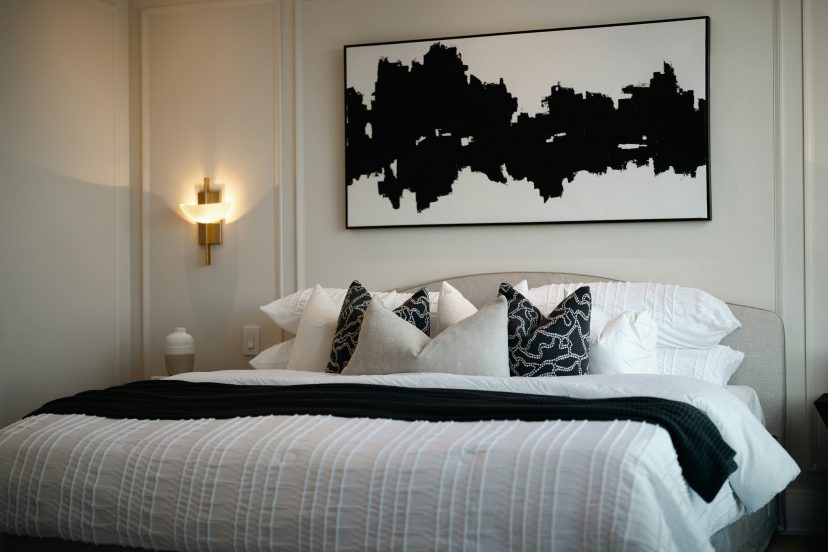
A monochrome bedroom can feel calm, stylish, and intentional when it is designed with the right balance of texture, contrast, and minimal color. Instead of relying on bold shades, this style uses a focused palette to create a clean and cohesive space. In this guide, you will find practical monochrome bedroom ideas that help you choose the right tones, layer materials, add depth, and make your room feel polished without looking plain.
Why monochrome bedrooms work so well
A monochrome bedroom keeps the visual noise down. Instead of competing colors, you let one color family lead the room and build interest with lighter and darker shades, soft materials, and a few thoughtful accents.
That can make the bedroom feel more settled. It can also make decorating easier because you have fewer decisions to make. When the palette stays tight, your bedding, furniture, art, and lighting tend to work together more naturally.
There is also a practical side to this. Research and expert reviews on sleep environments consistently highlight the value of a bedroom that feels comfortable, calm, and free from unnecessary disruption. Light, noise, temperature, and overall comfort affect sleep quality.
In addition, clutter can raise stress levels and make home environments feel mentally heavier than they need to. That is one reason a simpler bedroom style can be so appealing.
Choose your monochrome direction first
Before you buy anything, decide what “monochrome” means for your room. Not every monochrome bedroom needs to be black and white.
Black and white for crisp contrast
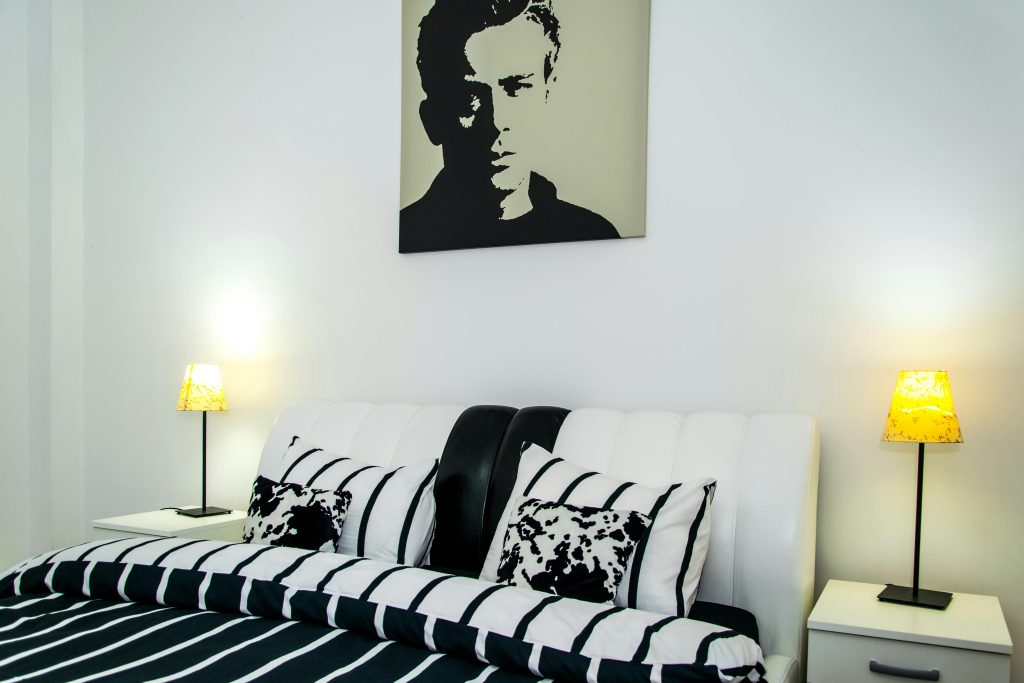
This is the boldest version. It feels graphic, modern, and clean.
Use it when you want:
- a sharper, more contemporary look
- strong visual contrast
- a bedroom that feels simple but dramatic
Try white walls, black lighting, black-framed art, and white or light gray bedding with a few dark accents.
Warm neutrals for a softer feel
This is perfect if you want the idea of monochrome without the starkness. Think ivory, cream, sand, taupe, mushroom, and soft brown.
Use it when you want:
- a cozy, quiet bedroom
- a relaxed natural look
- something minimal that still feels warm
This direction works especially well with linen, wood, boucle, woven baskets, and soft lighting.
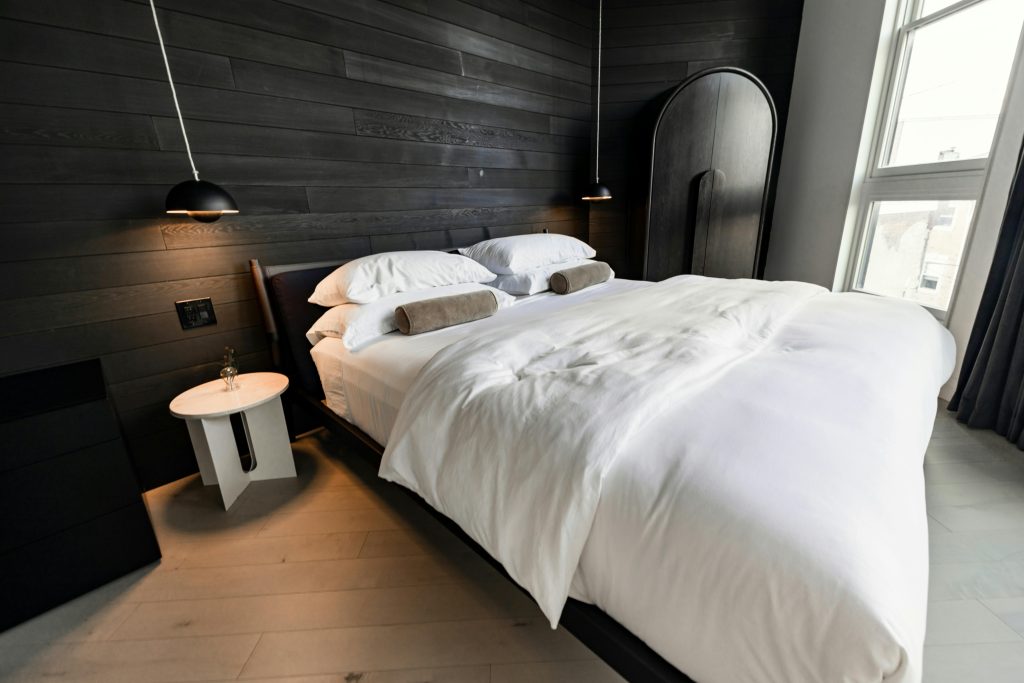
Gray and charcoal for a calm modern style
Gray monochrome bedrooms feel polished and versatile. They can lean masculine, minimalist, or hotel-like depending on the finishes you choose.
Use light gray for the walls, medium gray in the bedding, and charcoal in smaller touches like lamps, frames, or a bench at the foot of the bed.
Start with a simple base
The easiest way to build a monochrome bedroom is from the large surfaces first.
Focus on:
- walls
- bed linens
- rug
- curtains
- main furniture pieces
Start by choosing one dominant shade for the room. Then bring in two or three supporting tones in the same family. For example, if your base is warm white, you might add beige and soft taupe. If your base is gray, you might layer pale gray, slate, and charcoal.
This keeps the room cohesive. It also stops you from buying random decor that looks good alone but does not belong together.
A good rule is this: let your biggest surfaces stay quiet, then build the personality through touchable materials and shape.
Use texture so the room never feels flat
This is where most monochrome bedrooms either come alive or fall flat.
When you limit color, texture becomes the star. It gives the eye something to notice. It also makes the room feel warmer and more finished.
You can layer texture through:
- linen duvet covers
- knitted throws
- velvet or woven pillows
- boucle benches
- ribbed lampshades
- wood grain
- plaster, limewash, or matte-painted walls
- rugs with visible pile or pattern
For example, a white bedroom looks far more interesting when it mixes crisp cotton sheets, a nubby throw blanket, a boucle cushion, and a natural wood nightstand.
This is one of the best monochrome bedroom ideas for DIY decorators because it does not require a big renovation. Even changing pillow covers, adding a textured blanket, or swapping a shiny lamp for a matte one can change the whole mood.
Add contrast in smart, balanced ways
Contrast is what keeps a monochrome room from looking washed out.
In a black and white bedroom, contrast is obvious. However, even a cream-on-cream room needs contrast. It may come from matte versus glossy finishes, light versus shadow, or soft fabric against dark wood.
Here are a few easy ways to add it:
Mix light and dark values
If everything is the same shade, the room can disappear visually. Bring in a darker or lighter version of your main color.
Examples:
- white bedding with black bedside lamps
- taupe walls with ivory curtains
- gray walls with charcoal frames
- cream bedding with walnut or black wood furniture
Use line and shape
A monochrome room loves clean shapes. Think black picture frames, slim sconces, grid-pattern pillows, or a curved headboard against a simple wall.
This creates visual structure without adding more color.
Let one area carry the drama
Not every corner needs contrast. Pick one feature and let it do the heavy lifting.
That might be:
- a black headboard in a white room
- dark curtains framing pale walls
- oversized monochrome artwork above the bed
- a statement rug with a subtle geometric pattern
Keep color minimal, not lifeless
Minimal color does not mean zero personality.
One of the easiest mistakes in monochrome decorating is making the room so controlled that it feels stiff. A better approach is to use one tiny accent that still belongs to the overall mood.
That could be:
- black in a warm neutral room
- brushed brass in a cream bedroom
- deep brown in a taupe palette
- soft olive in a gray-toned space
The point is not to break the monochrome look. The point is to give it depth.
If you want the room to feel especially restful, keep your palette muted and your finishes soft. Sleep guidance from the Sleep Foundation emphasizes that a comfortable and calming bedroom environment supports better sleep, which makes overly stimulating design choices less helpful in a room meant for rest.
Lighting choices that soften the look
Lighting can make or break monochrome bedroom ideas.
A room with minimal color depends on good lighting because shadows, highlights, and texture become more noticeable. Harsh overhead lighting can flatten everything. Soft layered light makes the room feel richer.
Try using:
- bedside lamps for warm pools of light
- wall sconces for symmetry
- dimmable overhead lights
- soft white bulbs instead of cool blue-white bulbs
- curtains that help you control brightness during the day and darkness at night
This is not only about style. Bedroom light levels affect how restful the space feels, and sleep experts consistently recommend reducing light disruptions at night.
So if your room already has a strong monochrome look but still feels off, the lighting may be the missing piece.
Small bedroom tips for a monochrome scheme
Monochrome design works beautifully in small bedrooms because it helps the room feel less busy.
To make the most of a compact space:
Keep the walls and bedding close in tone
This reduces visual breaks and makes the room feel more open.
Use fewer, better pieces
Choose one strong lamp, one good rug, and one or two pillows instead of crowding every surface.
Add vertical interest
Hang curtains higher. Choose tall headboards. Use a vertical piece of wall art. This draws the eye upward.
Hide clutter
A simpler palette looks best when everyday mess is under control. It affects more than just how the room looks. Experts discussing clutter and stress note that disorganized environments can feel mentally draining.
If you are updating connected spaces, you might also want to explore bathroom vanity cabinet ideas for stylish storage.
Easy DIY ways to update the room
You do not need to buy all new furniture to pull this off. Here are a few DIY-friendly upgrades that work well:
Repaint the walls
A fresh coat of warm white, soft greige, pale gray, or charcoal can instantly set the tone.
Swap mismatched bedding
Choose one cohesive bedding family instead of mixing random patterns and colors.
Paint or refinish old furniture
Nightstands and frames can look brand new in matte black, soft beige, or charcoal.
Create simple wall art
Print black-and-white photography, line art, or abstract shapes and place them in matching frames.
Replace hardware and lampshades
Small changes like matte black knobs or a textured fabric shade can make the room feel intentional.
These updates are budget-friendly, beginner-friendly, and easy to reverse if you like changing your style later.
Recommended Products
Here are five product finds that fit beautifully with monochrome bedroom ideas. They support the look through texture, contrast, or simple styling.
1. Bedsure Black Duvet Cover Queen Size
A soft dark duvet cover is an easy anchor piece in a monochrome bedroom. This one works especially well if you want a crisp black-and-white setup without changing the whole room.
2. HYZUIMEI Black and White Throw Pillow Covers
These abstract black-and-white pillow covers add pattern without making the bed look busy. They are a simple upgrade if your bedding feels too plain.
3. PHF 100% Cotton Waffle Weave Throw Blanket
A waffle weave blanket adds the kind of texture monochrome rooms need. It helps soften a minimal setup and makes the bed look more layered.
4. Black White Abstract Wall Art Canvas Geometric Lines Print
If your walls feel empty, a large monochrome art piece can create contrast and structure above the bed or dresser without introducing extra colors.
5. blunique Waffle Knit Throw Blanket
This is another good option if you want a chunkier, cozier layer at the end of the bed. It is useful when your room looks clean but still feels a little flat.
Conclusion
The right mix of tones, texture, contrast, soft lighting, and simple details can make a monochrome bedroom feel calm, stylish, and personal. Whether you like black and white, warm neutrals, or layered grays, these monochrome bedroom ideas can help you create a room that feels balanced and easy to live in. Start with a simple base. Then add depth with materials, lighting, and thoughtful decor. With the right approach, monochrome design can turn your bedroom into a restful space that feels timeless, not trendy.
FAQs
1. What colors count as monochrome in a bedroom?
Monochrome means working within one color family or a very tight range of tones. That can be black and white, layers of gray, or warm neutrals like cream, beige, and taupe.
2. How do I make a monochrome bedroom feel cozy?
Use more texture. Try linen, knit throws, velvet pillows, wood tones, soft rugs, and warm lighting. These details add warmth even when the color palette stays minimal.
3. Will a monochrome bedroom look boring?
Not if you layer it well. A monochrome room becomes interesting through contrast, shape, material, and lighting rather than lots of color.
4. Are monochrome bedroom ideas good for small rooms?
Yes. They often work very well in small rooms because they reduce visual clutter and make the space feel more cohesive.
5. What common mistake should you avoid?
The biggest mistake is making everything the exact same tone and texture. Without contrast or material variety, the room can feel flat and unfinished.