Flooring Options Compared: Pros, Cons, and Costs
We may earn a commission for purchases made using our links. Please see our disclosure to learn more.
A floor can look perfect in a showroom and still feel wrong at home. A beautiful wood plank may struggle with bathroom moisture. Tile can handle spills, but it might feel hard underfoot in a bedroom. The best flooring options depend on what happens in the room every day: muddy shoes, rolling office chairs, pets, cooking spills, or bare feet on a cold morning. Here’s how the common choices compare, including the costs that are easy to miss when you first shop.
Flooring Costs at a Glance
The table below uses U.S. cost ranges from Angi’s flooring installation cost guide. Treat them as planning figures, then get quotes for your room and location. The flooring options ranges are broad because product grade and installation work vary.
| Flooring option | Approximate cost per sq. ft. | Best reason to choose it | Main drawback |
| Vinyl | $2–$14 | Handles everyday spills well | Can wear or discolor |
| Laminate | $3–$13 | Wood look at a lower price | Vulnerable to prolonged moisture |
| Carpet | $3.50–$11 | Soft and quiet | Holds stains and odors |
| Engineered wood | $4.50–$16 | Real-wood surface | Limited refinishing potential |
| Solid hardwood | $6–$25 | Long-term character and repairability | Moisture-sensitive |
| Tile | $15–$20 | Durable in wet areas | Hard underfoot and labor-intensive |
These figures help you compare flooring options materials; they are not a substitute for an itemized estimate. Ask installers to separate flooring, labor, removal, subfloor work, underlayment, and trim.
Solid Hardwood: A Floor You Can Renew
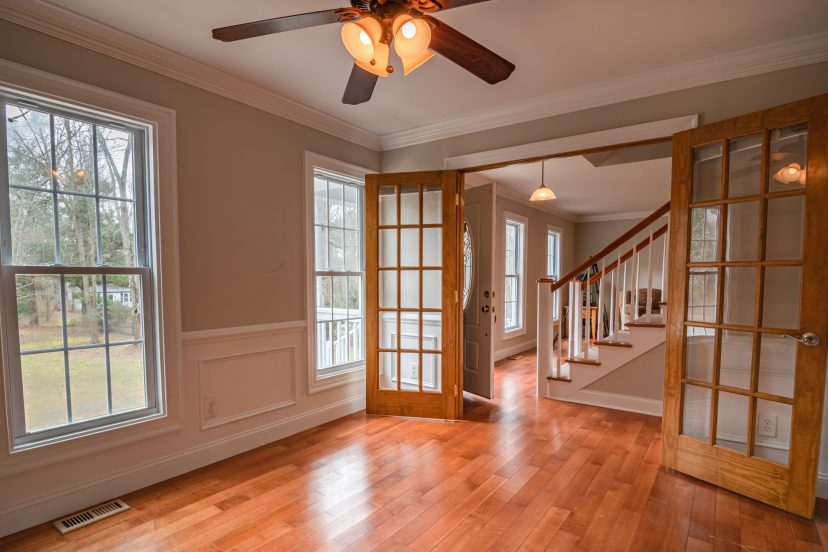
Solid hardwood brings real grain and variation into a room. With the right care, you can sand and refinish it instead of replacing the entire floor when the finish wears down.
Pros: It suits living rooms, dining rooms, and bedrooms, and refinishing gives it a long useful life.
Cons: Standing water can damage it, and scratches show more readily on some finishes. Installation may also cost more than the planks alone suggest.
Hardwood makes the most sense when you plan to stay in the home and want a floor you can maintain over time. Keep it away from routinely wet spaces, and check the flooring maker’s advice before putting it over a concrete slab.
Engineered Wood: Real Wood With More Flexibility
Engineered wood has a real-wood top layer over a layered core. It gives you the appearance of hardwood, often with more installation choices and better resistance to ordinary humidity changes.
Pros: It works well when you want wood’s warmth but need a product suited to your particular subfloor.
Cons: It still needs prompt spill cleanup. The thickness of the real-wood surface determines whether you can refinish the floor, and how many times.
Look beyond the color sample. Ask about the wear layer, finish warranty, and approved installation method. Two engineered floors can look similar while offering very different repair options.
Luxury Vinyl: Practical for Busy Rooms
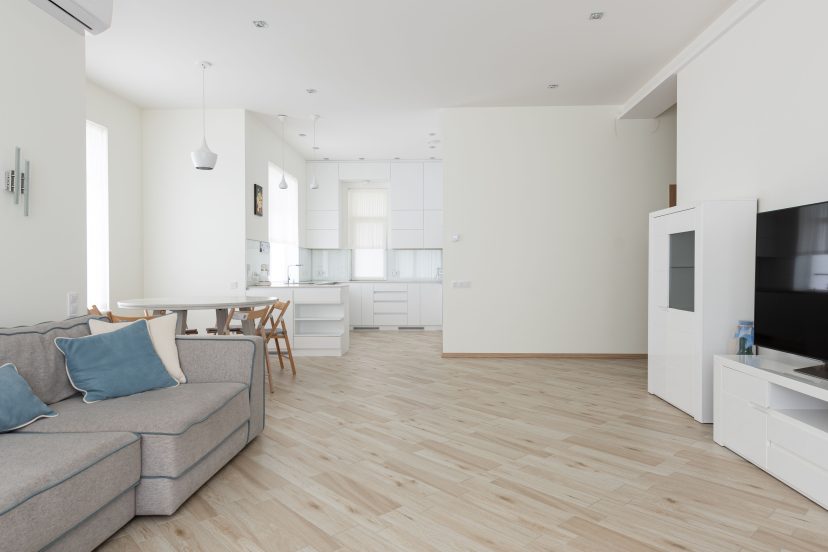
Vinyl plank and tile come in a wide range of wood- and stone-look designs. They’re popular in kitchens, entryways, and laundry rooms because the material itself tolerates spills better than wood-based flooring.
Pros: It’s relatively easy to clean, and many click-lock products simplify installation.
Cons: A worn or damaged plank generally needs replacement rather than refinishing. A poor subfloor can also make an otherwise good product look uneven.
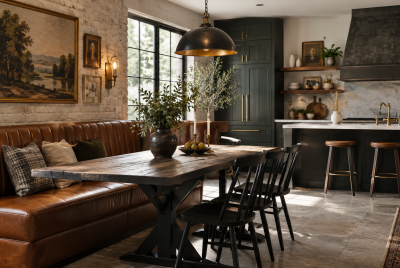
Check the complete product instructions before buying. A water-resistant surface does not fix moisture trapped below the floor or protect the walls and subfloor from a leak. If you’re planning a wider kitchen update, these leather banquette seating ideas show how flooring, furniture, and protective felt pads can work together.
Laminate: A Good Look on a Tighter Budget
Laminate uses a printed decorative layer to imitate wood or stone. Modern designs offer plenty of choice, and many homeowners like the straightforward click-lock installation.
Pros: It can deliver a convincing wood look for less than solid hardwood.
Cons: Once moisture swells the core, repairs are difficult. You also cannot sand it like real wood.
Read the product’s water-resistance terms closely. “Water-resistant” may describe protection from promptly cleaned surface spills, with limits around seams and standing water. Laminate is usually a stronger candidate for a dry living room than a bathroom.
Tile and Carpet: Different Strengths
Tile belongs on the shortlist for bathrooms, mudrooms, and other areas that see frequent splashes. It’s easy to keep clean and can hold up for years. On the other hand, it feels hard and sometimes cold underfoot. Grout needs care, and a sound installation starts with the right base beneath the tile.
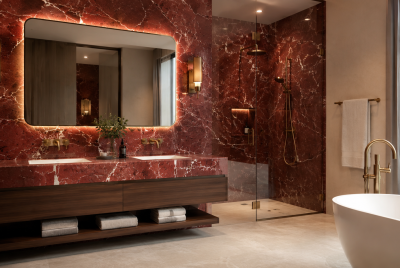
For a bathroom refresh, pair your floor choice with these small bathroom renovation ideas. They can help you judge how floor color, lighting, and the rest of the room will work together.
Carpet makes a different trade. It gives bedrooms a softer, quieter feel, often at a lower initial cost. Spills, pet accidents, and tracked-in dirt take more work to remove, though. If easy cleaning matters most, consider a hard floor with a washable area rug instead.
How to Choose Flooring for Each Room
Start with moisture, then think about comfort and cleaning.
- Bathroom: Tile is a dependable choice when installed correctly. Check any vinyl product’s bathroom and installation requirements.
- Kitchen: Vinyl or tile suits frequent spills. Wood can work if you accept quicker cleanup and more careful maintenance.
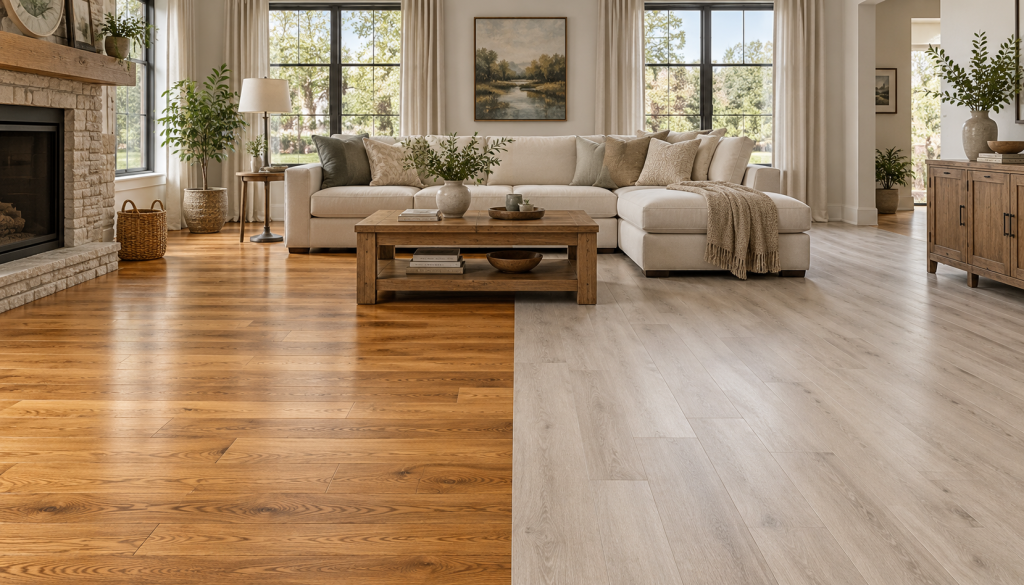
- Living room: Hardwood, engineered wood, laminate, and vinyl can all work. Let your budget and desired feel narrow the list.
- Bedroom: Carpet offers softness; wood-look floors offer easier surface cleaning.
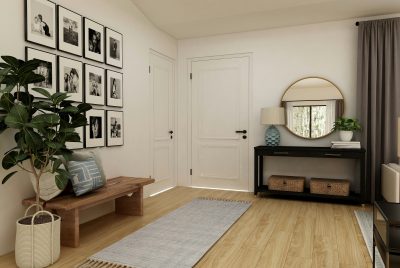
- Entryway: Prioritize a surface that stands up to wet shoes and grit. Add a mat to catch debris before it reaches the floor.
Take samples home before you decide. Look at them in morning and evening light, and place them beside your cabinets or furniture. A small sample can reveal a color clash that showroom lighting hides.
Budget Beyond the Flooring Price
Measure the room, then account for cuts and unusable offcuts when ordering. A simple rectangular room creates less waste than one with angled walls or many doorways. Ask the installer or retailer how much extra material your layout needs.
Next, inspect what’s underneath. Angi lists old-floor removal at about $1.50–$3.50 per square foot and underlayment at $0.50–$5.40 per square foot where needed. Subfloor repairs or replacement can add more. An estimate that skips these items may look attractive until work begins.
For laminate and some engineered products, check indoor-air documentation as well as price. The EPA’s guidance on laminate flooring advises shoppers to look for TSCA Title VI compliance labels on products containing regulated composite wood. That is a useful question to raise when you compare product specifications.
Recommended Products for a Flooring Project
These five Amazon searches cover useful tools and care supplies. Confirm each product’s current listing and compatibility with your chosen floor before purchasing.
- STANLEY PowerLock tape measure: Measure room dimensions, doorways, and narrow sections before you estimate how many cartons to buy.
- ROBERTS flooring installation kit: A tapping block and pull bar can help with compatible click-lock planks. Follow the flooring manufacturer’s instructions.
- QEP tile spacers: Useful for keeping grout lines consistent during a tile project. Match the spacer size to your layout.
- Bona hardwood floor cleaner: An option for maintaining compatible finished wood floors. Check your floor’s approved cleaning products first.
- Scotch felt furniture pads: Place them under movable furniture to reduce scraping on compatible finished floors. Replace worn pads before grit builds up beneath them.
Conclusion
If you want lasting natural character, compare solid and engineered wood flooring options. For spill-prone rooms, start with tile or a vinyl product approved for that space. Laminate can stretch a budget in dry rooms, while carpet still earns its place where softness matters. Before ordering, bring samples home and get an estimate that includes preparation and finishing work. The right floor should fit both the room and the way you use it.
FAQs
What are the most affordable flooring options?
Vinyl, laminate, and carpet can all start at relatively low prices. Compare the complete installed cost, since removal, preparation, and trim can change which choice costs least.
Which flooring options is best for a kitchen?
Tile and vinyl are practical starting points because kitchen spills are common. Choose based on your preferred look, comfort underfoot, subfloor, and the product’s installation requirements.
Is vinyl flooring waterproof?
The vinyl material resists water, but a finished floor is not a guarantee against water reaching seams, edges, or the subfloor. Follow the specific product’s instructions and deal with leaks promptly.
Can I install new flooring myself?
Some click-lock vinyl and laminate floors suit experienced DIYers. Tile, complex layouts, damaged subfloors, and stairs usually demand more skill and preparation. Check the warranty requirements before starting.
Is hardwood worth the higher cost?
It can be if you value real wood and the ability to refinish it over time. If frequent water exposure or the upfront price worries you, compare engineered wood and other hard-surface options first.